




Shampoo and conditioner are a vital part of any hair care and washing routine. They are designed to maintain hair and scalp health. But did you know that some shampoos contain harsh chemicals that may cause hair loss? In this article, we’ll walk you through everything you need to watch out for when buying your next bottles of shampoo and conditioner.
Key Points
- Shampoo itself rarely causes hair loss on its own – harsh chemicals and detergents may irritate the scalp and increase shedding, but it is likely that a person will also have an underlying hair loss condition (e.g. male pattern baldness, alopecia areata, etc.)
- Choose a gentle, pH-balanced shampoo to minimise hair loss – also look for shampoos that are sulphate-free for further hair care optimisation!
- If you’re experiencing excess hair loss, then speak to a hair loss specialist – we naturally lose hair follicles when we’re in the shower, but increased hair loss may be a sign of an underlying condition.
First Things First: Why Do We Lose Hair?
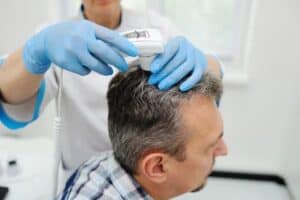 Before diving into shampoo ingredients, it’s important to separate fact from fiction. Hair loss has many causes: genetics, hormones, health conditions, medications, and environmental stressors. Shampoo plays a role in scalp health, but it’s rarely the root cause of thinning hair.
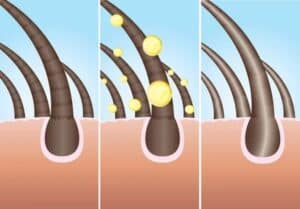
Hair loss is a natural biological process. As part of the normal hair growth cycle, the average person loses between 50 and 100 hair follicles per day. The hair growth cycle can be split into three key phases:
- Anagen (growth phase) – Lasts 2–7 years. The follicle actively produces hair.
- Catagen (transition phase) – Lasts about 2–3 weeks. Growth stops, and the follicle shrinks.
- Telogen (resting/shedding phase) – Lasts around 3 months. The old hair falls out to make room for new growth.
Of course, there’s a fine line between losing hair as part of the hair growth cycle and a hair loss condition. Problems arise when too many follicles enter the telogen phase prematurely or when hair doesn’t regrow as expected. Common drivers of hair loss include:
- Genetics (Androgenetic Alopecia) – Male and female pattern baldness is the most frequent cause of hair thinning.
- Hormonal changes – Pregnancy, menopause, thyroid disorders, and stress can all disrupt hair cycles.
- Nutritional deficiencies – Lack of iron, vitamin D, or protein can contribute to shedding.
- Medical conditions – Autoimmune diseases like alopecia areata, scalp infections, or inflammatory disorders can damage follicles.
- Medications – Some drugs, including those for blood pressure, depression, and chemotherapy, can trigger hair loss.
Before you go changing your shampoo, it would be prudent to consider these more likely factors affecting your hair loss!
Can Shampoo Cause Hair Loss?
Let’s address the core question: can shampoo cause hair loss? In most cases, no. Standard shampoos are designed to clean the scalp, remove sebum, and wash away styling product residue. They don’t penetrate the scalp deeply enough to affect the hair follicle root, which is where true hair loss begins.
That said, not all shampoos are created equal. Some contain harsh surfactants or preservatives that may irritate sensitive scalps. In rare cases, allergic reactions to certain ingredients can cause inflammation and temporary shedding (a condition called telogen effluvium). Moreover, using the wrong shampoo for your scalp type can worsen existing problems.
Shampoo can also indirectly contribute to increased shedding or breakage in a few situations:
- Harsh Ingredients – chemicals and detergents can strip away natural oils, leaving the hair shaft dry and brittle.
- Too Much Washing – Frequent washing with the wrong formula may irritate the scalp, causing inflammation that can push hairs prematurely into the shedding phase.
- Allergy or Sensitive Skin – Allergic reactions or sensitivities to certain ingredients can cause itching, redness, and increased hair fall.
If you are experiencing hair loss or hair breakage from shampoo ingredients, then there is a saving grace. These effects are usually temporary. So, by switching to a shampoo that is better for you, your hair should grow back naturally.
Should I Stop Using Shampoo If My Hair is Falling Out?
No, you shouldn’t stop washing your hair entirely. In fact, good scalp hygiene is essential for healthy hair growth. Skipping shampoo can lead to oil, dead skin, and product build up, which clogs follicles and may worsen shedding.
However, if you suspect your shampoo is irritating your scalp, it makes sense to pause the problematic product and switch to a mild, dermatologist-tested formula. Look for shampoos labelled as:
- Sulphate-free
- Fragrance-free or hypoallergenic
- pH-balanced (close to the scalp’s natural pH of 4.5–5.5)
- Designed for sensitive skin
You can also use a medical-grade shampoo (like ketoconazole or Nizoral) if you have dandruff, seborrheic dermatitis, or inflammation.
At this point, it’s important to remember that shampoo cleans the scalp, it doesn’t treat genetic or hormonal hair loss. So while switching shampoos may improve scalp comfort, it won’t stop male or female pattern baldness.
Do Any Shampoo Ingredients Cause Hair Loss?
Believe it or not, some ingredients have raised concerns due to their potential to irritate the scalp and damage hair follicles. While the vast majority of shampoo ingredients are completely safe, people with sensitive skin or allergies may not respond well to the following compounds.
DMDM Hydantoin and Formaldehyde
DMDM Hydantoin is a common preservative used in cosmetic products. It works by slowly releasing formaldehyde into a shampoo solution to prevent microbial growth. Formaldehyde is known allergen and, in many cases, can trigger contact dermatitis.
If you experience an itching sensation, redness, or hair shedding, then double check the ingredients list on the back of your shampoo bottle. It may contain DMDM Hydantoin. If you have a sensitive scalp, it’s best to avoid shampoos with formaldehyde-releasing preservatives.
Sodium Dodecyl Sulphate (Sodium Lauryl Sulphate)
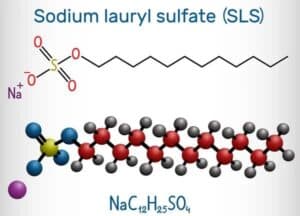 Shampoos are cleansing agents. They clean are scalps. And to do so, detergent is needed to help cut through oily hair and skin. Sodium dodecyl sulphate (SDS), also known as sodium lauryl sulphate (SLS), is a strong detergent and foaming agent found in many shampoos.
While it’s great at cleaning your scalp, it can also strip the scalp’s natural moisture barrier, leading to dry hair, a flaky scalp, and burning sensations. While SLS doesn’t directly cause hair loss from the follicle, chronic irritation can contribute to temporary shedding and worsen existing scalp conditions.
If you think you are experiencing thinning hair from SDS in your shampoo, you can always try a sulphate-free shampoo and conditioner.
Which Shampoo Helps Prevent Hair Loss?
No shampoo can cure genetic hair loss. The only way to stop pattern hair loss is through a DHT blocking medication (e.g. finasteride, dutasteride) or a hair transplant (e.g. FUE, DHI). However, the right formula can support scalp health, which in turn helps create the ideal environment for hair growth.
Look for shampoos that:
- Contain anti-inflammatory or antifungal ingredients (like ketoconazole or zinc pyrithione) if you have scalp issues.
- Use gentle, sulphate-free surfactants to avoid stripping oils.
- Include caffeine, saw palmetto, or biotin, which may support hair shaft strength (though clinical evidence varies).
- Are pH-balanced to protect the scalp’s barrier.
However, it’s worth reiterating the following. If you have an underlying hair loss condition, then changing your shampoo isn’t going to prevent hair loss and promote hair growth. Book in for a free consultation with us and get a free hair loss evaluation. We will outline what the best treatment for you will be.
What is the Best Shampoo For Thinning Hair?
If you have a receding hairline or thinning hair, then it may be better to opt for a clinically proven treatment option. However, choosing the right shampoo for your hair loss or scalp condition is still quite important.
For individuals experiencing androgenetic alopecia (male pattern baldness), shampoos containing active ingredients like ketoconazole, caffeine, or saw palmetto can help support medical treatments.
These ingredients won’t reverse follicle miniaturisation on their own, but they can reduce scalp inflammation and create an environment where treatments like minoxidil or low-level laser therapy work more effectively.
If you have a sensitive scalp, choosing a hypoallergenic, fragrance-free, and sulphate-free shampoo is critical. These gentle formulas can help minimise irritation on the scalp and reduce the risk of temporary shedding caused by inflammation.
Likewise, if you have an oily scalp, you are likely to benefit from a mild clarifying shampoo used occasionally. This helps remove excess sebum and product build up that could clog follicles, without over-stripping the scalp’s natural protective oils.
For dry scalps, a moisturising, sulphate-free shampoo enriched with ingredients like glycerine or aloe vera can soothe irritation and maintain hair shaft strength. Similarly, if you struggle with dandruff or seborrheic dermatitis, medicated shampoos containing zinc pyrithione, selenium sulphide, or ketoconazole can calm inflammation, reduce flaking, and improve overall scalp health.
General Hair Care and Washing Advice
Beyond the shampoo you choose, how you wash your hair and how often you do it can have a significant impact on your overall hair health and scalp condition.
Not washing your hair properly can be a nightmare for your scalp, as it can lead to hair breakage, thinning hair, and even temporary shedding. To protect your hair and optimize scalp health, it’s essential to adopt the following healthy habits:
- Gently massage your scalp gently with your fingertips, never your nails – rub in a soft, circular motion not only helps to distribute natural oils evenly along the hair shaft but also stimulates blood circulation to the follicles. Improved circulation can support a healthier environment for hair growth, especially when combined with proven treatments for hair loss.
- Rinse thoroughly after shampooing and conditioning – Leftover product residue can weigh hair down, make strands appear dull, and, more importantly, clog follicles, which can exacerbate shedding or thinning in vulnerable scalps. Similarly, avoid using excessively hot water, which can strip natural oils, dry out the scalp, and weaken the hair shaft. Lukewarm water is the ideal temperature for preserving moisture while ensuring a clean scalp.
- Avoid over-washing your hair – Over-washing can remove the scalp’s protective oils, leaving hair dry, brittle, and more prone to breakage. Conversely, under-washing allows sebum, dirt, and product build up to accumulate, which may irritate the scalp and contribute to temporary hair shedding.
- When drying your hair, pat gently with a soft towel instead of aggressive rubbing – Rough drying can create micro-tears in the hair shaft, causing split ends and breakage, which can make thinning hair look worse.
By making these simple adjustments to your hair washing routine, you can significantly improve scalp health, reduce hair breakage, and complement any medical hair loss treatments. Washing hair is one of the fundamental aspects of helping maintain healthy hair.
How Often Should I Be Washing My Hair?
How often you should be washing your hair depends on a combination of factors, including your scalp type, hair texture, oil production, and lifestyle. Take a look at our quick rundown of hair and scalp types to see which hair washing protocol is right for you:
- Oily scalps – you may find daily or every-other-day washing necessary to prevent excessive sebum build up, which can make hair look greasy and increase the risk of clogged follicles.
- Dry or curly hair – you may benefit from washing two to three times per week. Curly hair tends to be more fragile and can dry out easily, so excessive washing can strip away natural oils and exacerbate hair breakage and thinning.
- Fine hair – you may need to wash more frequently, as natural oils accumulate faster and can weigh down hair, making it appear limp and exacerbating the appearance of thinning.
- Thick, textured, or afro hair – you will typically retains moisture in your hair and scalp for longer. This means you will only need to gently wash your hair a couple of times per week.
The ultimate goal is to strike a balance. It’s important you wash your hair enough to maintain a clean, healthy scalp, while avoiding practices that strip protective oils or damage hair strands. As a general rule of thumb, if you keep your scalp and hair hydrated, then you’re unlikely to go wrong!
Conclusion
Shampoo is an essential part of any hair care routine, but it is rarely the root cause of hair loss. While harsh chemicals, strong detergents, and certain preservatives can irritate the scalp and contribute to temporary shedding, most hair loss is driven by underlying factors such as genetics, hormones, medical conditions, or nutritional deficiencies.
Our advice would be to always go for a gentle, pH-balanced, sulphate-free shampoo tailored to your scalp type can help maintain scalp health, reduce breakage, and support other hair loss treatments. If you do this, then you’re truly optimising your hair health.