
Eyebrow Transplants

Method Used: FUE (Follicular Unit Extraction)
Approach: Surgeon-Performed
Cost: £3,000 – £5,000
Finance Available

Certifications

GMC white
CQC logo-min
ISHRSMembersOnlyLOGO-Gold without background
ICO logo

Our Certifications

GMC white
CQC logo-min
ISHRSMembersOnlyLOGO-Gold without background
ICO logo
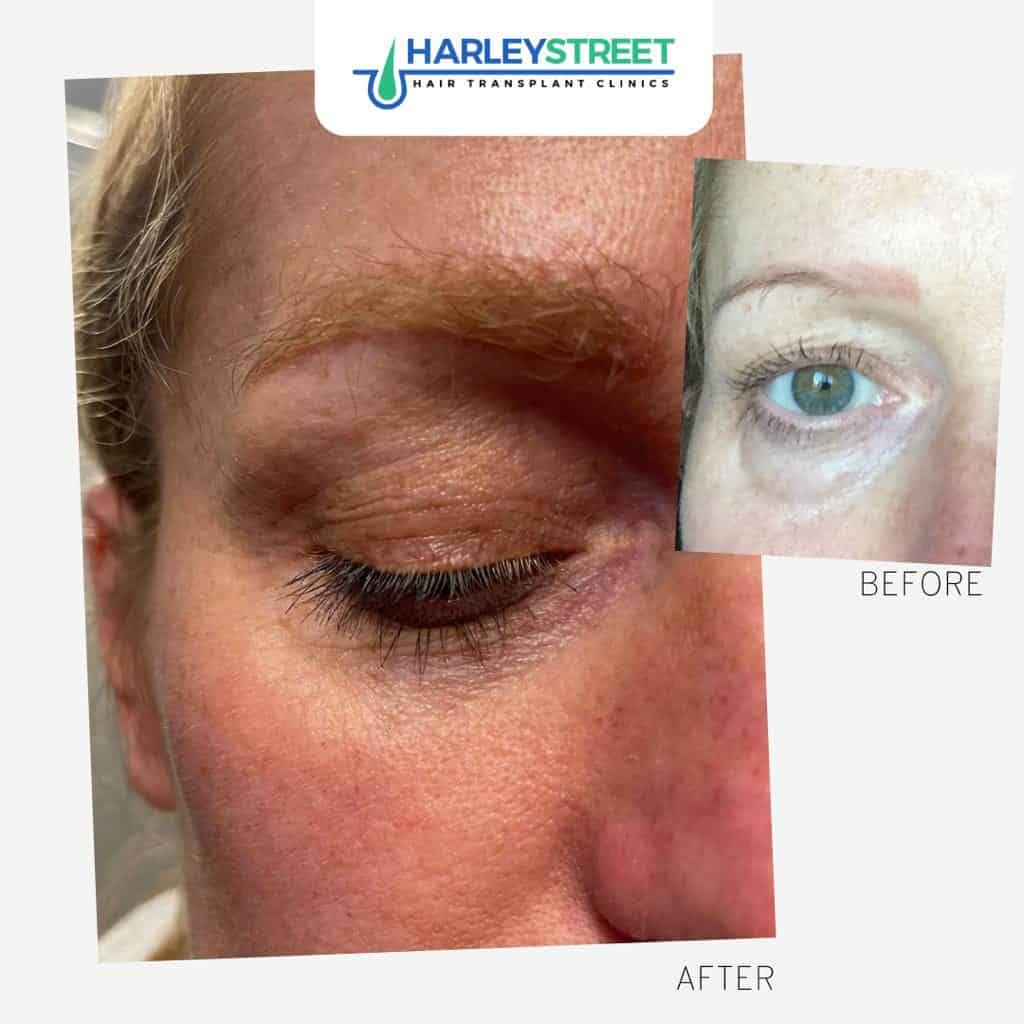
Harley Street Hair Transplant Clinics female patient eyebrow transplant before and after

Eyebrow Transplant & Restoration

Eyebrow thinning and loss affects far more people than is often acknowledged, whether from over-plucking in earlier years, alopecia, hypothyroidism, scarring, or simply a genetic predisposition to sparse brows. For many patients, the impact on confidence is significant and the available alternatives like microblading, tattooing and daily makeup are temporary at best.

If you are looking to restore your eyebrows and your confidence via an ISHRS surgeon-performed procedure, our Harley Street expert surgeons are the solution for you. We see patients that have suffered with eyebrow hair loss due to over-plucking, genetics, scarring and illness as well as patients that want the fuller eyebrow look such as Chrissy Teigen, Megan Fox and Meagan Good.

The benefits of an eyebrow transplant for patients are:

  • Fuller and thicker eyebrows to frame your face
  • Positive psychological impact to restore confidence
  • Restoring a more youthful appearance
  • A permanent solution with natural results

To start your eyebrow restoration journey, you can enquire about an initial consultation with one of our patient advisors.

Make the best investment in yourself and find out more about how we can help eliminate hair loss for good!

What is an Eyebrow Transplant?

An eyebrow transplant is a surgical procedure that transplants hair from the donor area of your head (the back and sides) to your eyebrows to restore the density and shape back to their natural self. The procedure is performed by our GMC & ISHRS registered surgeons in the London clinic using the FUE hair transplant method.

It works using a small tool called a punch machine where the surgeon extracts individual hair grafts from your donor area that then get separated and counted into single, double and triple follicular units. These are then all converted into singles with some doubles as eyebrow hairs typically grow in single hair follicles with very few doubles. Then our surgeons use surgical blades to make incisions into the eyebrow area mimicking their natural angle of growth of which after this process, the implantation of the previously extracted hairs begins into the pre-made incisions.

IMPORTANT: Make sure you know who is performing your surgery as it is crucial that a qualified doctor is performing the vital parts of this surgery.

How Does an Eyebrow Transplant Work?

Eyebrow transplants at our clinic are performed exclusively using Follicular Unit Extraction (FUE). This involves the precise removal of individual hair follicles from the scalp donor area one at a time, using a small punch tool. Each follicle is then implanted individually into the brow at the correct angle and direction to match natural growth patterns.

The alternative technique, Follicular Unit Transplantation (FUT), involves removing a strip of scalp tissue from the donor area. While FUT remains appropriate for certain scalp hair transplant cases, it is not used for eyebrow restoration at our clinic. The eyebrow area requires exceptionally fine, single-hair placement with minimal trauma to the surrounding skin, and the minimally invasive nature of FUE makes it significantly better suited to this. There is no linear scar at the donor site and recovery is faster. You can read more on our FUE hair transplant page.

On the day of your eyebrow transplant procedure, be sure to take the day off work. The full surgery will typically take between 4 and 6 hours. As you will be given local anaesthetic during the procedure, you’ll be able to drive and there is no need to stay overnight.

The day is structured as follows:

  1. Consultation, design and consent
  2. Donor area shaving as layering
  3. Local anaesthetic administration to the donor area (back of the head)
  4. Extraction phase of hair grafts from the donor area
  5. Local anaesthetic administration to the recipient area
  6. Incision phase to the recipient area
  7. Break for lunch
  8. Implantation phase of previously extracted and separated hair follicles into the recipient area (eyebrows)
  9. Post surgery aftercare pack and explanation followed by patient discharge.

To make your eyebrows look full and natural, between 400 and 1,000 grafts may be required. These grafts will be extracted and re-implanted individually.

Who is Suitable for an Eyebrow Transplant

Eyebrow transplants are suitable for both men and women. The procedure is most commonly requested by women, though a significant number of our patients are men, particularly those who have experienced loss from scarring, alopecia, or thyroid conditions.

Good candidates share a few key characteristics. First, the underlying cause of the hair loss must be stable. If you are still actively losing hair due to an untreated medical condition, surgery should be delayed until that condition is managed. Second, you must have a suitable donor area, typically the back and sides of the scalp, with healthy follicles that can be extracted without compromising the donor zone. Third, your expectations must be realistic: an eyebrow transplant restores natural density and shape, but the final result depends on your existing brow structure and the number of grafts available.

Women most commonly present with thinning caused by years of over-plucking, age-related loss, alopecia, or hypothyroidism. The goal is typically to restore a fuller, shaped brow. The arch, density, and hairline of the brow are all designed individually in consultation with your surgeon before the procedure begins.

Men tend to present with loss across the full brow rather than just the outer third, and more frequently from conditions such as alopecia areata, scarring from injury, or previous surgery in the orbital area. The design approach for male patients differs: the ideal male brow is flatter in arch, heavier in density, and wider than the female equivalent. Our surgeons plan each male case individually to ensure the result is masculine and natural.

Patients who are not suitable include those with active, untreated autoimmune conditions affecting the brow, those with insufficient donor hair, or those whose hair loss is still progressing. A consultation with one of our surgeons will confirm your candidacy before any procedure is planned.

How Much Does an Eyebrow Transplant Cost?

The cost of eyebrow transplant surgery varies between £3,000-£5,000. This, primarily, is dependent upon the severity of the hair loss. With any hair transplant, the main bulk of the cost comes with the number of grafts needed to be extracted and re-implanted. With FUE, you can expect to pay between £2 and £4 for every graft that is used.

Whilst this may be a little pricey on first glance, it’s important to note that eyebrow transplantation can put a stop of further loss of eyebrow hair. FUE takes healthy hair follicles from elsewhere in order to promote hair growth in the brow area. As such, this means you should only need one procedure and never have to worry in the future.

Also included in our package is a free consultation with one of our certified doctors, and extensive aftercare to see how your eyebrow surgery has worked.

Make the best investment in yourself and find out more about how we can help eliminate hair loss for good!

Eyebrow Transplant Aftercare

For the subsequent 10-14 days after the surgery, be prepared to expect a small amount of scabbing. The FUE process uses tiny needles to implant hair follicles and so there may be some small scabs that develop. They typically take around 2 weeks to heal.

Feel free to get in touch with us if your donor or recipient site is feeling a little bit sore. We’re happy to help!

In the following weeks and months, it is natural to see your new hairs outgrow the eyebrows that are already there. As the implanted hair follicles have come from your scalp, where they grow quicker and longer, they may need a little bit of extra training. Make sure you give them a good trim and curl in order to have them follow your brow’s natural arch.

Causes of Eyebrow Hair Loss

Eyebrow hair loss has a number of underlying causes, and identifying the right one is an important part of planning your treatment. The most common conditions we see at our clinic include:

Trichotillomania is a hair-pulling disorder that can result in significant eyebrow loss. Provided the follicles have not been permanently damaged through repeated pulling, a transplant can restore what has been lost.

Chemotherapy and radiotherapy used in cancer treatment commonly cause hair loss across the body, including the eyebrows. Once treatment is complete and the patient is medically stable, eyebrow transplantation is a well-established option for restoration.

Traction and scarring from injury, burns, previous surgery or skin conditions can destroy follicles in a localised area. A transplant can implant new follicles into scar tissue where the original ones are no longer viable.

Over-plucking remains one of the most common reasons patients come to us. Years of heavy shaping can permanently damage follicles to the point where natural regrowth is no longer possible.

Alopecia areata is an autoimmune condition in which the immune system mistakenly attacks hair follicles, causing patchy hair loss that can affect the eyebrows as well as the scalp. In some cases the loss is partial; in others it can be complete.

Hypothyroidism is an under active thyroid gland and one of the more frequently overlooked causes of eyebrow thinning, particularly affecting the outer third of the brow. Patients often notice gradual thinning over time before connecting it to their thyroid health.

Genetic predisposition means some patients simply have naturally sparse or thin brows with no underlying medical cause. A transplant gives them the density they have never naturally had.

Our Surgeons

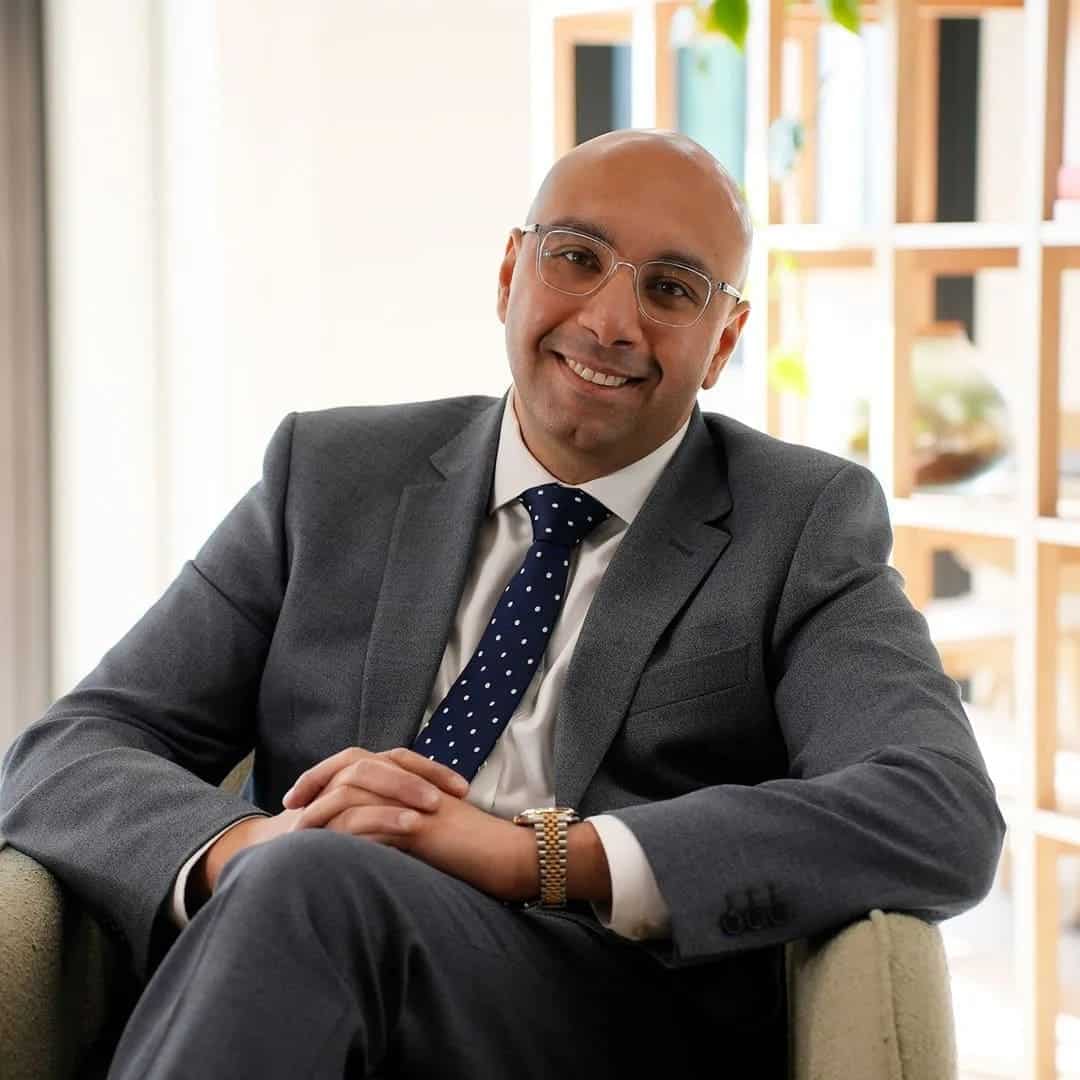
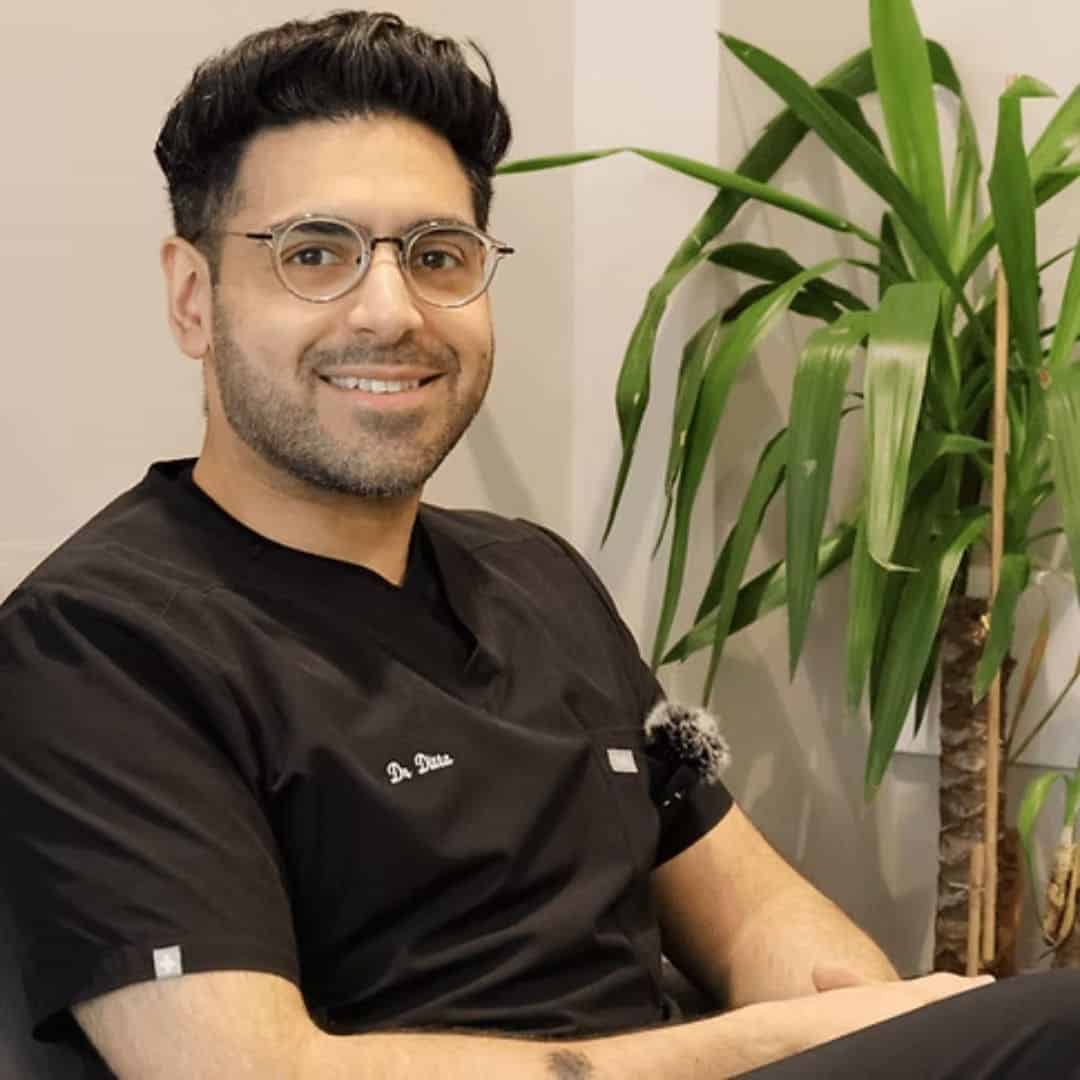
Our doctors are:

Our Hair Restoration Specialists

Meet our Surgeons

GMC Logo

FAQs

Yes. The follicles transplanted during an eyebrow transplant are taken from your scalp donor area, where they are genetically resistant to loss. Once established in the brow, they will continue to grow for life. No other eyebrow restoration procedure, whether tattooing, microblading, or topical treatments, offers permanent hair regrowth with a natural result. You should only need one procedure.

Eyebrow transplants are a permanent solution that can last a lifetime. Using the FUE technique, you will start to see noticeable growth at four to six months after the surgery. The final result will be visible at around 10 months.

It is generally believed that eyebrow transplants will keep growing in much the same way as hair on the back of the scalp. This means that while most eyebrows will stop growing when they are about a half inch long or shorter, transplanted hair may continue to grow.

During an eyebrow transplant procedure, local anaesthesia will be used to minimise pain and discomfort. Medication can be used to help manage any discomfort, and many patients report only minimal discomfort during the procedure. Some patients may choose to sleep, listen to music, or watch television during the procedure.

Good candidates are men and women with stable eyebrow hair loss caused by over-plucking, alopecia, hypothyroidism, scarring, genetics, or previous medical treatment. You must have a healthy donor area at the back or sides of the scalp and realistic expectations of the outcome. Candidates whose hair loss is still actively progressing due to an untreated medical condition should address that first. A consultation with one of our surgeons will confirm whether you are suitable before any procedure is planned.

FUE eyebrow transplants performed by qualified surgeons have high graft survival rates, with the majority of transplanted follicles establishing and producing permanent growth. The final result is visible at around ten to twelve months. Success depends on surgical technique, correct angle and direction of implantation, and post-operative care in the first two weeks. At our clinic, all procedures are performed by GMC and ISHRS-registered surgeons, which is the single most important factor in achieving a consistent, natural result.

Microblading is a semi-permanent tattooing technique that deposits pigment into the skin to simulate the appearance of eyebrow hairs. It typically lasts between one and three years before fading and requires regular top-up appointments. It does not grow real hair and the result is not natural in close-up. An eyebrow transplant implants real hair follicles that grow permanently, feel natural to the touch, and behave like your own hair. It is a one-time surgical procedure with a permanent outcome.

Patient Testimonials

Aside from achieving fantastic results, we believe that keeping in touch with our patients before, during and after their hair transplantation procedure is paramount – it helps to keep our patients feeling calm and in control. We’re always on hand to provide guidance, support and aftercare advice. Time and again, our patients tell us that this is what sets us apart from other clinics.

You can read our great reviews of FUE hair transplants over on Google.

Share This