






Saw palmetto is a natural extract taken to combat male pattern baldness (androgenetic alopecia). With concerns around the side effects of DHT-blocking medications like finasteride, many men are switching to herbal remedies to treat their receding hairline and thinning hair. In this article, we will explain what saw palmetto is, it’s efficacy at treating hair loss, and its safety.
Key Points
- Saw palmetto is a natural DHT blocker — It inhibits the enzyme 5-alpha-reductase, which reduces the conversion of testosterone to DHT, the main hormone implicated in androgenetic alopecia. This can slow hair follicle miniaturisation and help preserve existing hair.
- Evidence suggests modest benefits for hair loss — Clinical studies show that oral or topical saw palmetto may improve hair density and reduce shedding, especially in early-stage male pattern baldness, though it’s less potent than finasteride or minoxidil.
- Generally safe but slower-acting — It takes around 3–6 months for visible results and 6–12 months for more significant regrowth. Side effects are usually mild and it does not lower testosterone levels, making it a gentler alternative or complement to prescription treatments.
What is Saw Palmetto?
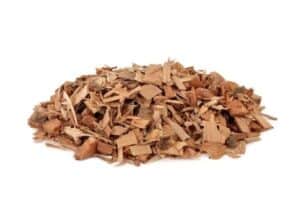 Hair loss is a frustrating experience for both men and women, often leaving sufferers desperate for solutions that actually work. While pharmaceutical treatments like finasteride and minoxidil dominate the conversation, natural remedies have been gaining traction. Particularly, Saw Palmetto. But does it really deliver on the promises, or is it just another supplement with inflated claims? Let’s break it down.
Saw palmetto is a small palm native to the South-Eastern United States. Its berries have been used in traditional medicine for centuries, primarily for prostate health. Like finasteride, it has also been used to treat benign prostatic hyperplasia (BPH). More recently, its potential role in combating hair loss has come under scientific scrutiny.
The key active compounds in saw palmetto are fatty acids and phytosterols, which are thought to inhibit 5-alpha-reductase, the enzyme responsible for converting testosterone into DHT (dihydrotestosterone).
Elevated DHT levels are a primary culprit in androgenic alopecia, also known as male and female pattern baldness. Many men experiencing androgenetic alopecia consider or take DHT-blocking medications like finasteride or dutasteride. So, taking Saw Palmetto might not be such a whacky idea!
How Saw Palmetto May Help with Hair Loss: The Underlying Science
The theory is straightforward: by reducing DHT levels, saw palmetto may slow or even partially reverse pattern hair loss (receding hairline or crown thinning). Clinical research into Saw Palmetto, while limited compared to other hair loss treatments, is promising:
- Clinical trials suggest that topical or oral saw palmetto can improve hair density and reduce hair shedding in individuals with androgenic alopecia (Everon 2020, Ufomadu 2023).
- A 2012 study showed that saw palmetto supplementation improved hair growth by 38% in men with mild to moderate hair loss (Rossi 2012).
- Some topical formulations combine saw palmetto with other natural DHT blockers to enhance absorption and efficacy.
How Does Saw Palmetto Work?
Saw palmetto treats hair loss by inhibiting the enzyme 5-alpha-reductase, which is responsible for converting testosterone into dihydrotestosterone (DHT). DHT is a potent androgen that plays a central role in androgenic alopecia (male and female pattern hair loss) by causing hair follicles to miniaturise and shrink over time.
By reducing 5-alpha-reductase activity, saw palmetto can help lower DHT levels in the scalp, thereby slowing the miniaturisation process and potentially preserving existing hair follicles (Prager et al., 2002). This mechanism is similar to how prescription medications like finasteride work, although saw palmetto is significantly milder in potency and therefore may cause fewer hormonal side effects (Traish et al., 2011).
In addition to its anti-androgenic effect, saw palmetto is rich in fatty acids and phytosterols, which may also provide anti-inflammatory and antioxidant properties. Chronic inflammation around the hair follicle has been implicated in hair loss, so reducing inflammation could further help maintain a healthy scalp environment (Rossi et al., 2012).
Does Saw Palmetto Block Testosterone?
No, saw palmetto does not block testosterone. As stated in the section above, the medication works by inhibiting the production of DHT. One clinic study suggests saw palmetto may lower DHT levels in the scalp without significantly altering circulating testosterone levels (Prager 2002).
This is a crucial distinction because testosterone is still available for normal bodily functions, including libido, muscle mass maintenance, and mood regulation.
In contrast, prescription medications like finasteride also work by blocking 5-alpha-reductase, but at a much stronger level. Even with finasteride, studies show that testosterone levels often remain the same or slightly increase, because less testosterone is being converted into DHT (Traish 2011). Saw palmetto’s effect is much milder, which is why it typically causes fewer hormonal side effects compared to prescription DHT blockers (Evron, 2020).
In short, saw palmetto does not block testosterone production or reduce testosterone levels. It simply modulates how testosterone is metabolised, aiming to prevent excessive DHT build-up in the hair follicles. This makes it a gentler, natural option for those concerned about hair loss without risking the systemic hormonal effects sometimes linked to prescription treatments.
Will Reducing DHT Regrow Hair?
In all honesty, it’s difficult to say whether reducing DHT levels in the body will help hair regrow. However, it is certainly true that reducing DHT is one of the most proven strategies for slowing pattern hair loss.
DHT blocking medications should be viewed as a hair loss preventative rather than a cure. If you are looking to regrow hair in an area where you have experienced extensive hair thinning, then natural remedies are unlikely to help.
Saw Palmetto vs. Finasteride: Natural Alternative or Complement?
 Finasteride remains the gold standard for DHT-related hair loss, but it comes with potential side effects, including sexual dysfunction and mood changes. Saw palmetto offers a natural alternative with a lower risk profile, making it appealing for those hesitant to use prescription medication.
If you want to take a medication without lowering systemic DHT levels, then topical medications (e.g. combined minoxidil/finasteride solution) may be for you. They are just as effective as oral finasteride, more effective at treating hair loss than Saw Palmetto, but do not induce systemic side effects.
Some patients even use saw palmetto alongside finasteride or minoxidil as part of a multi-faceted hair loss regimen. While it’s unlikely to match prescription medications in potency, it can act as a supportive measure for overall scalp health and DHT management.
Is Saw Palmetto as Effective as Minoxidil?
Saw palmetto is not as effective as minoxidil for hair regrowth, though it may still be useful as a supportive therapy in a broader hair loss regimen. Using both treatments together may promote hair growth.
Mechanistically, the two treatments work in entirely different ways. Minoxidil is a vasodilator that increases blood flow to the hair follicles and prolongs the anagen (growth) phase of the hair cycle (Messenger 2004). This directly stimulates new hair growth and thickens existing hairs.
Saw palmetto, by contrast, works indirectly by inhibiting 5-alpha-reductase—the enzyme that converts testosterone into dihydrotestosterone (DHT). Since DHT shrinks hair follicles in androgenic alopecia, lowering DHT levels may help slow or reduce further thinning (Evron, 2020).
How Long Does Saw Palmetto Take to Regrow Hair?
As with any hair loss medication, the most important thing is to set realistic expectations about what to expect from your results. Saw palmetto is not going to magically cure a severe case of frontal recession and hair thinning.
The medication is most effective at treating the early stages of male pattern baldness (androgenetic alopecia). If you are around a Stage 2-3V on the Hamilton-Norwood Scale, then saw palmetto may slow hair loss and encourage hair regrowth.
It can take between 3-6 months of daily use to notice improvements in hair density or hair shedding. For more significant regrowth, it is generally recommended that patients take saw palmetto for between 6-12 moths alongside other hair restoration strategies (e.g. microneedling).
How to Use Saw Palmetto for Hair Loss
Saw palmetto is available in several forms:
- Oral supplements – capsules or tablets containing standardised saw palmetto extract.
- Topical solutions – shampoos, serums, or scalp oils infused with saw palmetto extract.
- Combination products – supplements or shampoos that include saw palmetto alongside other natural DHT blockers like pumpkin seed oil or nettle root.
It is generally suggested that 160–320 mg daily of standardised extract may provide benefits. Saw Palmetto is not a prescription medication. You can order it online or buy it over the counter at your local Holland & Barrett’s.
Is it Better to Take Saw Palmetto Morning or Night?
There’s no hard and fast rule about when is the best time to take saw palmetto. What matters is consistency! That said, there are some additional factors you may want to consider:
- Absorption Levels – saw palmetto is fat-soluble, meaning it’s best absorbed with meals that contain healthy fats. This helps maximise the availability of its active compounds (fatty acids and phytosterols).
- Stomach Comfort – Some people report mild nausea or digestive upset if they take it on an empty stomach. Taking it with breakfast or dinner can help prevent this.
- Energy and Sleep – Saw palmetto does not act as a stimulant and isn’t known to disrupt sleep. So, taking it in the evening is generally safe if that’s more convenient.
Saw Palmetto Side Effects: What You Need to Know
Saw palmetto is well-tolerated by most people and generally considered safe when taking 160-320mg per day. Some short-term, mild side effects include:
- Stomach discomfort or nausea – often minimised when taken with food
- Mild headaches – usually temporary and mild.
- Dizziness – although rare, it has been reported in some individuals.
Because saw palmetto can affect hormone levels, it’s best to consult a doctor if you’re on other medications, particularly hormonal treatments. Although there is little evidence on this, saw palmetto is not recommended for breastfeeding women.
Final Thoughts: Does Saw Palmetto Really Work for Hair Loss?
Saw palmetto isn’t a miracle cure for a receding hairline or thinning hair, but it’s a promising natural option for those looking to slow hair loss with minimal side effects. Consistency is key, and combining it with other treatments (e.g. topical minoxidil, a healthy diet, and stress management) can improve overall results.
If you’re exploring natural ways to protect your hair, saw palmetto is worth considering. While it won’t replace clinically proven medications entirely, it may give your follicles the support they need to thrive. So, why not book a free consultation today and start your hair restoration journey?
Evron, E., 2020. Natural Hair Supplement: Friend or Foe? Saw Palmetto, a Systematic Review in Alopecia. Journal of Dermatological Treatment, 31(1), pp. 1-8.
Messenger, A.G. and Rundegren, J., 2004. Minoxidil: Mechanisms of action on hair growth. British Journal of Dermatology, 150(2), pp.186–194.
Rossi, A., 2012. Comparative Effectiveness of Finasteride and Serenoa repens in the Treatment of Male Androgenetic Alopecia. Journal of Dermatological Treatment, 23(6), pp. 1-5.
Prager, N., Bickett, K., French, N. and Marcovici, G., 2002. A randomized, double-blind, placebo-controlled trial to determine the effectiveness of botanically derived inhibitors of 5-alpha-reductase in the treatment of androgenetic alopecia. Journal of Alternative and Complementary Medicine, 8(2), pp.143–152.
Ufomadu, P., 2023. A Review of Dermatologic Effectiveness for Androgenetic Alopecia. Journal of Dermatology Research, 45(2), pp. 1-10.