




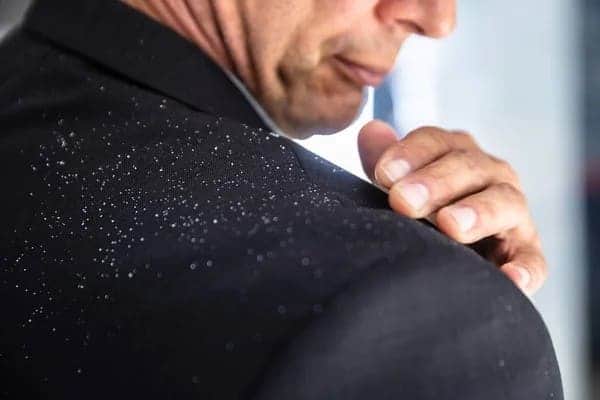
Dandruff is the term given to a chronic scalp condition that leads to the shedding of dead skin cells on the head. However, dandruff itself doesn’t directly cause hair loss, but the underlying scalp inflammation, irritation, and scratching that often accompany dandruff can contribute to temporary hair shedding. To understand how, we need to explore what dandruff really is, what causes it, and how it interacts with the health of your hair and scalp.
Overview
- Dandruff doesn’t directly cause hair loss, but the inflammation, irritation, and scratching it triggers can lead to temporary shedding.
- You Can restoring scalp balance by doing the following – using antifungal shampoos, proper washing habits, and stress and diet management helps reverse dandruff-related hair loss.
- Healthy hair starts with a healthy scalp — treating dandruff at its root supports long-term hair growth and prevents future flare-ups.
What is Dandruff?
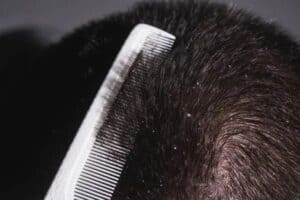 Many people who struggle with persistent flakes often wonder: does dandruff cause hair loss? It’s a common concern, especially when you notice more hair in your brush or shower drain than usual. The truth is more complex than a simple yes or no.
Dandruff is one of the most common scalp conditions worldwide, affecting roughly 50% of adults at some point in their lives. It’s characterised by white or yellow flakes on the scalp and hair, often accompanied by itching, dryness, or irritation.
Dandruff is a chronic scalp condition that leads to the shedding of dead skin cells in the form of visible flakes. A healthy scalp renews its skin cells every few weeks, but when this process speeds up — due to inflammation, microbial imbalance, or excessive oil production — dead skin cells clump together and become visible as dandruff.
There are two main types of dandruff:
- Dry dandruff: Fine, white flakes often caused by a lack of moisture, cold weather, or harsh shampoos.
- Oily dandruff (seborrhoeic dermatitis): Thicker, yellowish flakes that stick to the scalp, often caused by excess sebum and the overgrowth of Malassezia yeast.
Both types can cause itching, inflammation, and irritation, but only the latter (oily dandruff) tends to have a stronger association with hair thinning.
What is the Root Cause of Dandruff?
The isn’t a singular cause of dandruff. It’s a condition with several causes, largely influenced by your scalp environment, genetics, and lifestyle. The main culprits behind dandruff are:
- Overgrowth of Malassezia yeast – this naturally occurring microbe feeds on scalp oils (sebum). In some individuals, it multiplies excessively, leading to irritation and increased skin cell turnover.
- Excess sebum production – oily scalps provide an ideal environment for Malassezia, contributing to inflammation and flaking.
- Sensitive scalp barrier – a weakened scalp barrier allows irritants and microbes to trigger inflammation more easily, resulting in dandruff flare-ups.
- Environmental factors – cold, dry weather, pollution, or harsh hair products can strip the scalp of its natural balance, leading to flaking.
- Hormonal fluctuations and stress – stress and hormones influence sebum production and immune responses, both of which can aggravate dandruff.
Knowing what is causing your dandruff is important when it comes to treating your symptoms. Not all forms of dandruff respond to the same treatment. So, before you buy a medicated shampoo and conditioner or salicylic acid, you should first get a grasp on the underlying cause of your condition.
Does Dandruff Mean Your Hair is Unhealthy?
One of the most common misconceptions about dandruff is that many people automatically assume their hair is unhealthy. But that’s not necessarily the case… Dandruff doesn’t automatically mean your hair is weak or unhealthy. After all, it’s more of a scalp issue than a hair issue.
That being said, chronic dandruff (seborrheic dermatitis) can indirectly affect your hair quality and health in a couple of ways:
- Inflammation – a persistently irritated scalp can disrupt normal follicle function. Irritated skin is usually a big red flag when it comes to the health of your hair follicles.
- Scratching – repeated scratching can damage hair shafts and follicles, leading to breakage or temporary shedding. This is especially true is a person has recently had a hair transplant. If you have an itchy scalp, then definitely buy a dandruff shampoo.
- Sebum imbalance – excess oil or product build-up can suffocate follicles, reducing oxygen and nutrient delivery to the root. If you think your dandruff is caused by this, have a chat with a dermatologist to see what medication or product they recommend.
- Microbial imbalance – an overgrowth of yeast or bacteria can alter scalp pH and increase inflammation.
Remember, healthy hair grows from a healthy scalp. So while dandruff doesn’t inherently damage hair, an imbalanced scalp environment certainly can. Think of it like this, before building a house, you need to build solid foundations.
Dandruff and Hair Loss: the Link
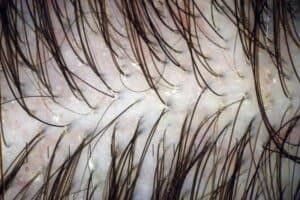 So the big question: does dandruff cause hair loss? In short, no. Dandruff does not directly cause hair loss, but it can contribute to the worsening of a pre-existing hair loss condition.
When dandruff triggers inflammation or excessive itching, it can weaken the hair follicle’s environment. Over time, this may result in telogen effluvium, a temporary form of hair shedding caused by stress on the scalp.
Here’s how dandruff can contribute to hair loss:
- Inflammation weakens follicles – chronic irritation increases cytokine activity. Cytokines are the chemicals involved in the body’s inflammatory response. These can shorten the hair growth phase (anagen).
- Scratching leads to trauma – persistent itching and scratching can physically loosen hair at the root, especially during the telogen (resting) phase.
- Blocked follicles – oily flakes and sebum can block follicles, creating a poor environment for new hair growth.
However, this type of hair loss is not the same as permanent pattern baldness (androgenetic alopecia). Once your dandruff is managed and scalp health is restored, hair growth typically returns to normal. So there is little need for a hair loss medication (e.g. finasteride, dutasteride) or an FUE hair transplant.
Will Hair Loss Due to Dandruff Grow Back?
Yes. In most cases, hair loss caused by dandruff is only temporary. Once inflammation subsides and scratching stops, the follicles can recover, allowing new hair to grow. Of course, if your dandruff is left untreated, then you may begin experiencing hair loss again.
It usually takes a few months for noticeable regrowth, depending on the severity of the scalp irritation and how long it persisted. Your hair should return back to normal within 3-6 months of treatment.
The key to recovery is addressing the underlying cause of your dandruff rather than simply masking symptoms. So, if you are suffering from seborrheic dermatitis (flaky skin), then you may want to consider:
- Using medicated shampoos (e.g., those containing ketoconazole, such as Nizoral) to reduce Malassezia levels
- Maintaining a consistent scalp care routine
- Reducing stress and supporting nutrition
- Avoiding harsh styling products that strip or clog the scalp
If hair doesn’t grow back after dandruff clears, it’s possible another condition (like male or female pattern hair loss) is also present. If your condition is not clearing up, then book in for a free consultation today with one of our patient advisors.
How Can I Stop Dandruff and Hair Loss?
Stopping dandruff and the hair loss that sometimes accompanies it requires a consistent, holistic approach that addresses the root causes rather than just the symptoms. It’s not about finding a miracle shampoo. Instead, it’s about restoring balance to your scalp ecosystem, supporting the skin barrier, and giving your follicles the healthiest possible environment to thrive.
Here are some things to consider if you want to stop dandruff for good!
Use a Targeted Anti-Dandruff Shampoo
The first and most important step is to use a targeted anti-dandruff shampoo formulated to tackle the microbial imbalance behind most dandruff cases. Shampoos that contain ketoconazole, such as Nizoral, are especially effective because they help to control malassezia, the yeast that thrives on scalp oils and triggers inflammation.
For milder cases, ingredients like zinc pyrithione, selenium sulphide, or salicylic acid can help by reducing yeast overgrowth, regulating oil production, and exfoliating dead skin cells that build up on the scalp.
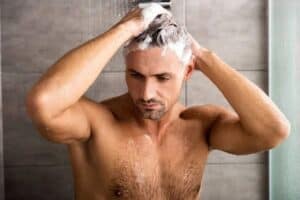
It’s worth noting that you should always follow the instructions on any medicated shampoos, applying it usually two or three times a week. You can alternate your medication with a gentle, pH-balanced cleanser/shampoo on other days to avoid over-drying.
Avoid Under-Washing or Over-Washing Your Hair
Equally important is striking the right balance when it comes to washing frequency. Washing your hair too often can strip the scalp of its natural oils, prompting it to overproduce sebum and aggravate dandruff.
Correspondingly, not washing often enough allows oil, flakes, and dead skin to accumulate, creating an ideal breeding ground for yeast. The goal is consistency! Cleanse your scalp regularly but gently, paying attention to how it responds over time.
Support Your Diet
 Diet also plays a significant role in scalp health. Your hair follicles and skin cells need a steady supply of vitamins, minerals, and healthy fats to function optimally.
Omega-3 fatty acids found in salmon, walnuts, and flaxseeds help regulate oil production and reduce inflammation. If your dandruff symptoms are being caused by inflammation or oily build up, then be sure to add these elements into your diet.
Zinc and selenium support cell repair and immune balance. You can find them in foods like eggs, pumpkin seeds, and shellfish. B vitamins, particularly biotin and B6, contribute to healthy skin turnover and stronger hair follicles.
Keep Your Scalp Clean and Balanced
It may be an obvious point, but maintaining a clean, balanced scalp environment is essential. Heavy styling products, waxes, and oils can clog hair follicles, trapping bacteria and yeast while restricting oxygen flow to the roots.
If you apply product to your hair, opt for lightweight, non-comedogenic products and avoid applying them directly to the scalp whenever possible. A gentle, hydrating conditioner can help soothe dryness without suffocating the follicles. You can also look for formulas designed specifically for sensitive or flaky scalps.
How Often Should I Wash My Hair If I Have Dandruff?
There’s no universal rule dictating how often you should wash your hair to prevent dandruff related hair loss. In all honesty, it depends on your scalp type. As a general rule of thumb:
- For Oily scalps – wash daily or every other day with a gentle anti-dandruff shampoo.
- For Dry scalps – wash two to three times per week, alternating with a moisturising shampoo.
Consistency is much more important than frequency. If you’re using a medicated shampoo like Nizoral, follow the instructions — typically twice weekly until dandruff subsides, then reduce to once weekly for maintenance.
Does Brushing Hair Help With Dandruff?
Yes, brushing can help prevent dandruff, providing it is done correctly. Brushing gently stimulates blood circulation in the scalp and helps distribute natural oils evenly, preventing build-up in oily areas. It can also help loosen flakes for easier cleansing.
However be sure to avoid rigorous brushing as this can irritate the scalp and exacerbate shedding. If you’re quite a tough brusher, use a soft-bristled brush or a wide-toothed comb, and clean your tools regularly to avoid reintroducing oils and microbes.
What is the Best Shampoo For Dandruff?
 Much like the question ” how often should I wash my hair”, there is not hard and fast rule showing which shampoo is best for dandruff sufferers. The best shampoo depends on the type and severity of your dandruff:
- For mild dandruff – you can choose a gentle, zinc-based shampoo suitable for frequent use.
- For moderate to severe dandruff – medicated options containing ketoconazole (like Nizoral) or selenium sulphide are often most effective.
- For sensitive scalps – look for sulphate-free, fragrance-free formulas with soothing ingredients like aloe vera or tea tree oil.
Conclusion
So, does dandruff cause hair loss? Not directly. However, it can certainly contribute if left unchecked. The irritation, inflammation, and scratching associated with dandruff can weaken the scalp environment, leading to temporary shedding.
The good news is that hair loss from dandruff is usually reversible. By treating dandruff at its root, through antifungal shampoos, balanced scalp care, and stress management, you can restore a healthy environment for strong, resilient hair. A healthy scalp is the foundation of healthy hair. Prioritise scalp care, and your hair growth will follow.