





If you are looking at maintaining healthy hair, then you have probably heard of collagen. Collagen peptides are believed to improve hair growth and scalp health.
Key Points
- Collagen for hair growth supports scalp and follicle health by providing essential amino acids and maintaining skin elasticity, which are crucial for stronger, healthier hair.
- Different types of collagen, particularly Type I and III from bovine or marine sources, can enhance circulation and keratin production, helping to prevent age-related hair thinning.
- While direct evidence is limited, studies show collagen for hair growth improves skin hydration, elasticity, and dermal thickness—creating an optimal environment for hair to thrive.
Collagen For Hair Growth: Understanding the Basics
Hair loss is one of the most frustrating conditions many of us face, regardless of age or gender. It’s no surprise that the global hair loss treatment market is booming, with countless supplements, shampoos, and therapies promising to restore fuller, healthier locks. One supplement that has gained huge traction in recent years is collagen.
But does collagen for hair growth really work, or is it just another overhyped wellness trend? In this in-depth guide, we’ll explore what collagen is, how it may benefit hair, what the science says, and how to use it effectively. By the end, you’ll have a clear understanding of whether collagen deserves a spot in your hair care routine.
Hair Loss in Women and Where Collagen Comes into the Equation
Hair loss in women is a common (and often under-discussed) issue. Unlike men, who typically experience receding hairlines or bald spots, women tend to experience diffuse thinning across the scalp.
The causes of female hair loss are multifactorial. Hormonal changes, particularly fluctuations in oestrogen and androgens, can trigger thinning. Conditions such as polycystic ovary syndrome (PCOS), thyroid disorders, and menopause are often involved.
Lifestyle factors like stress, poor diet, and lack of sleep can also disrupt the hair growth cycle. Hair follicles are pushed into premature shedding (known as telogen effluvium). This is where collagen for hair growth comes into play.
As women age, natural collagen production declines, leading to reduced skin elasticity and weaker follicular support. Collagen peptides provide the body with amino acids (like proline, glycine, and hydroxyproline) that are essential for keratin synthesis, the protein that makes up hair. By improving scalp elasticity, circulation, and follicle strength, collagen may help maintain hair density and resilience.
While collagen supplementation alone cannot reverse genetic hair loss or treat severe conditions like androgenetic alopecia, it can serve as a supportive strategy. When combined with clinically proven treatments, collagen may enhance overall scalp health, creating an optimal environment for hair to grow thicker, stronger, and healthier.
What is Collagen?
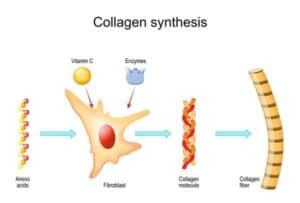 Collagen is the most abundant protein in the human body. It provides structure and support to skin, bones, tendons, cartilage, and, importantly, connective tissues around hair follicles. Think of it as the “glue” that holds everything together.
As we age, our natural collagen production declines. This process can start as early as our mid-20s. By the time we hit 50, collagen levels may have dropped by over 50%. This decline doesn’t just contribute to wrinkles and joint issue, it may also affect the health of our hair.
Types of Collagen for Hair Growth
Believe it or not, not all collagen is created equal. The type of collagen supplement you choose can make a difference in how it supports your hair and scalp.
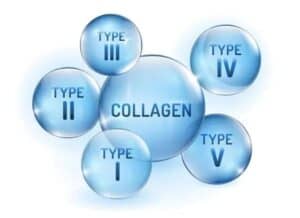 Collagen is the name given to a family of proteins, and at least 28 types have been found in the human body. When it comes to skin health and hair growth, the most relevant collagens are Type I, II, & III:
- Type I Collagen is the most abundant form, making up around 90% of all collagen in the body. It’s found in skin, tendons, bones, and connective tissue. Because hair follicles are rooted in the dermis (a skin layer rich in Type I collagen), this type is especially important for maintaining a healthy scalp environment. Stronger, more elastic skin means a sturdier foundation for follicles, which can indirectly support hair growth and resilience.
- Type II Collagen is primarily found in cartilage and is less directly connected to hair or scalp health. It plays a bigger role in joint support and mobility. While it may not contribute much to hair growth, some supplements combine Type II with other collagen types for overall wellness.
- Type III Collagen is often found alongside Type I. It’s present in skin, blood vessels, and internal organs. For hair health, Type III is valuable because it contributes to skin elasticity and the proper functioning of blood vessels. Better circulation to the scalp means hair follicles receive more oxygen and nutrients, which can promote healthier, stronger growth.
When it comes to supplementation, most collagen products are derived from either bovine (cow) or marine (fish) sources. So, when you are in your local Boots or Holland & Barrett, it’s important to look at the label on collagen supplements.
Bovine collagen usually provides Type I and Type III, making it a good option for skin and hair support. Marine collagen, which comes from fish skin and scales, is also rich in Type I collagen and is often considered more bioavailable. In Lehman’s terms, this means your body may absorb and use it more efficiently. For this reason, marine collagen is especially popular in beauty and hair care supplements.
How Does Collagen Support Hair Healthy Hair Growth?
Collagen is an important supplement for an man or woman looking to support healthy hair. It performs three key functions. These are:
Collagen Provides Amino Acids For Keratin Production
Hair is primarily made of a protein called keratin. Collagen itself doesn’t become keratin, but it supplies amino acids (such as proline, glycine, and hydroxyproline) that are critical for keratin formation. Without adequate building blocks, your hair may struggle to grow strong and resilient.
Collagen Fights Free Radical Production
Oxidative stress from free radicals can damage hair follicle cells, accelerating hair thinning and shedding. Collagen acts as an antioxidant, neutralizing these free radicals. While not as potent as vitamin C or E, collagen still provides measurable protection that could reduce follicle aging.
Collagen May Improve Scalp Health and Strengthen Hair Follicles
Collagen helps maintain the integrity of the dermis—the layer of skin where hair follicles are rooted. A stronger, healthier scalp environment supports thicker, more resilient hair strands. Some studies suggest that when scalp elasticity declines with age, hair becomes weaker. Collagen supplementation may counteract this process.
Hair Loss Science: Are Collagen Supplements Supported By Scientific Research?
Research specifically linking collagen supplementation to hair growth is still in its infancy. When compared to other hair loss treatments like finasteride, minoxidil, and biotin, collagen supplements don’t have the same number of clinical studies supporting their efficacy.
That being said, broader research into collagen shows the supplement to have a series of indirect benefits on hair and skin health. In a study conducted by the Journal of Cosmetic Dermatology (2016), results showed oral collagen peptides to improve skin elasticity and hydration. This may indirectly support scalp health.
Additionally, Lee et. al (2019) suggest collagen peptides to improve dermal thickness and protect the skin against UV-related free radical damage. As UV exposure is know to accelerate hair follicle ageing, collagen’s protective effects may play a role in slowing down hair thinning.
While there is little evidence directly supporting collagen supplements to preventing hair loss and stimulating hair growth, it is almost certainly the case that specific collagen peptides can improve skin health.
Collagen Supplements Vs Dietary Collagen: What is More Important?
As with many vitamins and supplements, you don’t always need to take a supplement to increase your collagen intake. The body can produce collagen naturally, provided it has enough raw materials (i.e. amino acids, vitamin c, zinc, and copper).
However, age, diet and lifestyle do play an important role in how efficiently the body produces and maintains collagen. But which form of collagen is more important for skin and hair health?
Dietary Sources of Collagen
Collagen is naturally found in animal-based foods, especially those containing connective tissue. Some of the richest sources include:
- Bone broth – Made by simmering animal bones and connective tissues for several hours. It’s one of the most direct food sources of collagen, containing gelatin and amino acids that support skin and hair health.
- Chicken skin – Poultry skin is particularly rich in Type II collagen, which mainly supports joints but contributes to overall protein intake.
- Fish skin and scales – Provide marine collagen, which is usually high in Type I collagen and associated with hair, skin, and nail health.
- Egg whites – While they don’t contain collagen itself, egg whites are rich in proline, an amino acid essential for collagen synthesis.
In addition to these, certain nutrients help your body produce collagen naturally:
- Vitamin C (found in citrus fruits, strawberries, bell peppers) is critical for collagen synthesis.
- Zinc (from pumpkin seeds, shellfish, and legumes) activates enzymes that stabilize collagen structures.
- Copper (in nuts, seeds, and organ meats) also plays a key role in collagen cross-linking.
The main challenge with food sources is that collagen is bound up in connective tissue, which many people don’t consume regularly. Modern diets tend to favour muscle meats over skin, bones, or cartilage, meaning natural collagen intake is often low.
Collagen Supplements
 Supplements are designed to provide collagen in a more convenient and bioavailable form. The most common are:
- Collagen peptides (hydrolyzed collagen): This form has been broken down into smaller peptides and amino acids, making it easier for the body to absorb and use. Most human studies on skin and hair benefits use this form.
- Gelatin: A partially broken-down form of collagen, commonly used in cooking (e.g., in jellies and gummies). It’s less processed than peptides but not absorbed as efficiently.
- Powders, capsules, and ready-made drinks: Powders are versatile—you can add them to smoothies, coffee, or soups—while capsules and drinks offer convenience, especially for people who dislike the taste or texture.
Which Form of Collagen is Better For Hair Growth?
Dietary collagen provides a natural, nutrient-rich way to support collagen production, but it requires regular intake of foods many people avoid, such as bone broth or fish skin. Supplements, on the other hand, are standardised, convenient, and supported by a growing body of clinical evidence for improving skin elasticity, hydration, and potentially scalp health.
If you are concerned about your skin and hair health, then an ideal approach would be to combine dietary collagen with a supplement. This is especially true the older a person gets.
A nutrient-rich diet that supports collagen production, plus a high-quality collagen supplement to ensure consistent intake. This strategy helps to maximise both natural synthesis and supplementation benefits, giving your hair follicles the best possible environment for growth.
Who Should Consider Taking Collagen Supplements For Hair Growth?
Many men and women may experience beneficial effects from taking collagen supplements. This is especially true in the following instances:
- Ageing adults experiencing thinning hair due to a decline in collagen levels.
- Women who are post-menopause.
- Adults with poor diets (lacking in protein and collagen-rich foods)
By taking a supplement, you are helping to ensure that your body is receiving enough collagen to keep your skin looking young and maintain healthy hair growth.
Final Thoughts on Collagen Supplements
The hype around collagen isn’t entirely misplaced. The science says it’s a powerful protein with wide-ranging benefits for skin, joints, and, yes, hair health. While the scientific evidence specifically linking collagen to hair growth is still developing, its role in scalp support and follicle protection makes it a strong candidate in any hair wellness routine.
However, if you have been diagnosed with a hair loss condition like female pattern baldness (androgenetic alopecia), then it’s important to combine collagen use with a tried and tested medication. Collagen may help maintain healthy hair, but it will not prevent hair loss.
Asserin, J., Lati, E., Shioya, T. and Prawitt, J., 2015. The effect of oral collagen peptide supplementation on skin moisture and the dermal collagen network: evidence from an ex vivo model and randomized, placebo-controlled clinical trials. Journal of Cosmetic Dermatology, 14(4), pp.291–301.
Lee, C.H., Singla, A. and Lee, Y., 2001. Biomedical applications of collagen. International Journal of Pharmaceutics, 221(1-2), pp.1–22.
Samsell, L., Regier, M., Walton, B. and Edwards, M., 2017. Collagen and hair health: a review of the literature. Journal of Drugs in Dermatology, 16(1), pp.9–12.
Shigemura, Y., Iwai, K., Morimatsu, F., Iwamoto, T., Mori, T., Oda, C., Taira, T., Park, E.Y., Nakamura, Y. and Sato, K., 2009. Effect of prolyl-hydroxyproline (Pro-Hyp), a food-derived collagen peptide in human blood, on growth of fibroblasts from mouse skin. Journal of Agricultural and Food Chemistry, 57(2), pp.444–449.
Zague, V., de Freitas, V., da Costa Rosa, M., de Castro, G.A., Jaeger, R.G. and Machado-Santelli, G.M., 2011. Collagen hydrolysate intake increases skin collagen expression and suppresses matrix metalloproteinase 2 activity. Journal of Medicinal Food, 14(6), pp.618–624.