



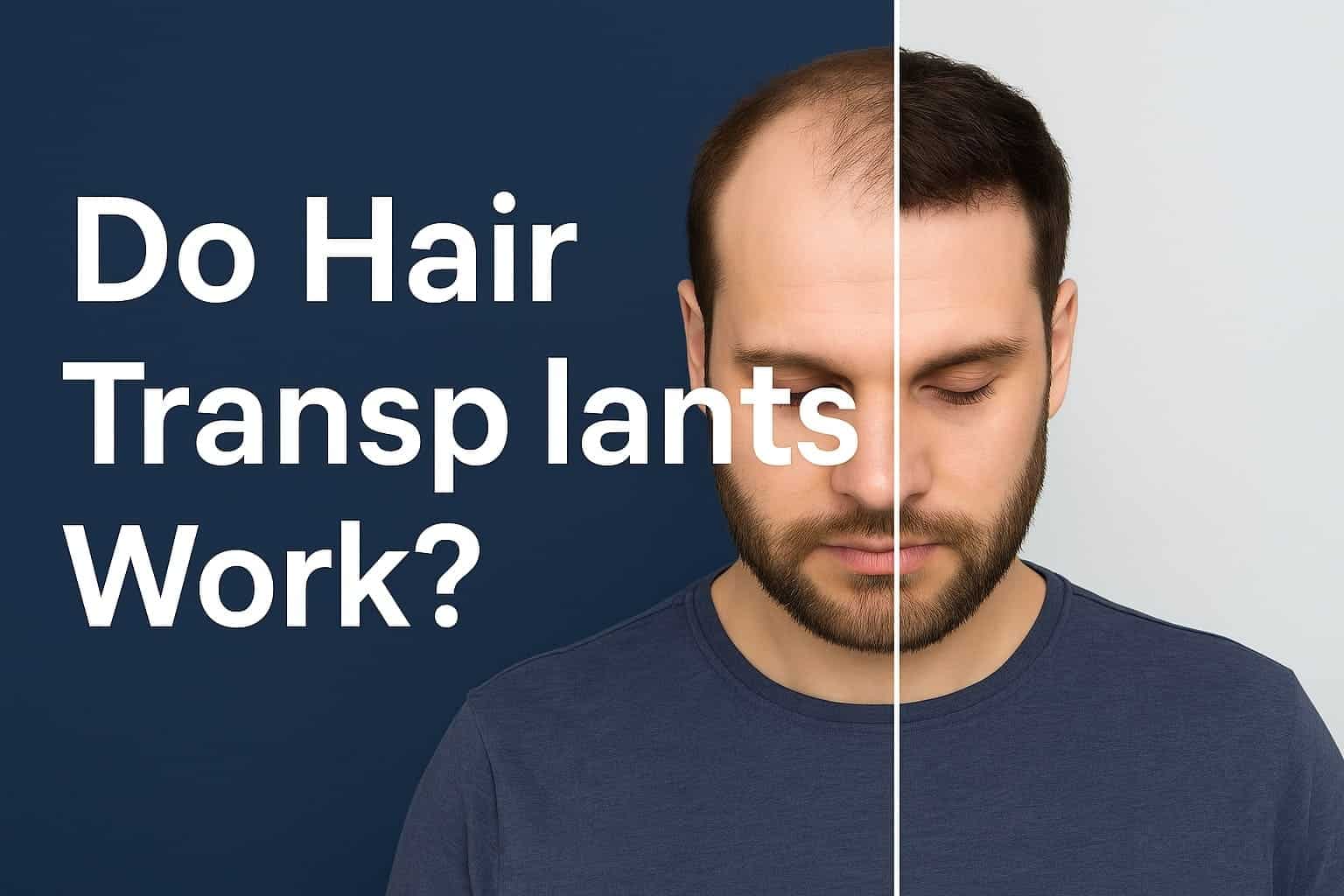
Before booking in for a hair transplant, almost all patients will ask a couple of questions along the lines of: “is a hair transplant worth it?” and “do hair transplants work?” Hair transplant surgery is the only permanent solution for any patient looking to restore hair follicles in a receding or balding area. It’s minimally invasive, natural looking, and provides a long-term result.
Key Points
- A hair transplant can offer permanent, natural results and long-term confidence when performed by a skilled, surgeon-led team. It can be used to combat a receding hairline, crown thinning, or even scar repair!
- Cost, donor area quality, and realistic expectations all determine whether surgery will truly be worth it. A hair transplant isn’t always the best option for everyone.
- For men ready to take control of their appearance, a properly executed hair transplant can be one of the best long-term investments in self-confidence you’ll ever make. Especially, when performed by an experienced, surgeon-led team.
The Truth About Hair Transplantation: What Are Your Expectations?
At Harley Street Hair Transplant Clinics, one of the most common questions we’re asked is “is a hair transplant worth the price tag”? With surgeries in the UK costing anywhere in the region of £3,000 to £15,000+, the procedure can be a large outlay for many and justifying it can be quite difficult.
There are several reasons why patients choose to have chosen to have surgery with us over the years. These reasons include:
- Helping patients restore confidence in their appearance – Hair loss affects far more than appearance. It impacts how you see yourself and how you feel around others. Many men report feeling older, less confident, or even less assertive as their hair thins. A successful hair transplant often reverses that, helping you look and feel more like yourself again.
- Achieving a younger, healthier appearance – Thinning hair can age you by 5–10 years visually. Restoring density around your temples or crown can rejuvenate your appearance and bring your facial proportions back into balance. That makes a big difference in dating, social situations, and even your professional life.
- Offering a permanent, natural solution to hair loss – Unlike temporary options like wigs, hair fibres, or concealers, transplanted hairs are your own follicles, resistant to the hormone (DHT) that causes male pattern baldness. Your hair continues to grow naturally for the rest of you life, meaning you can cut, wash, and style them however you like.
- Being cost effective over the long-term – Although the initial price can seem high, a well-performed hair transplant is a one-time investment. Especially when compared to years of buying hair-loss products, fibres, or supplements that only offer temporary improvement. Once your transplant takes, it’s your hair for life.
If you’re experiencing medium to extensive hair loss (Hamilton-Norwood Stage 3V+), then a hair transplant may be your only realistic option if you are wanting a full head of hair. Don’t believe all the hype around hair loss medications either.
Medications like finasteride and minoxidil are perfect for men suffering form early stages of male pattern hair loss. However, as more and more hair follicles miniaturise, the efficacy of these medications declines. So, why not look for a permanent solution?
What is a Hair Transplant Surgery?
A hair transplant is a surgical procedure that moves healthy hair follicles from the back and sides of your head (this is called the donor area) to areas that are thinning or bald (the recipient area). Essentially, it is redistributing hair follicles from an area of high density to an area of low density to create a fuller appearance.
Hair transplants are used to treat many different types of hair loss, but the most common areas of treatment tend to be:
- The receding hairline – hairline recession in men is commonly treated through hair transplantation. The aim of a hairline hair transplant is to restore hair in the temple area, while blending transplanted hair seamlessly into a patient’s existing hairline.
- Thinning on the crown – thinning hair on the crown is also treatable using methods like FUE or DHI. The aim of a crown hair transplant is to restore thickness and density into the crown, hiding any signs of thinning.
- The moustache or beard – although less popular than hair transplants, beard transplants can also be performed. These surgeries range from small corrective surgeries all the way to large surgeries covering both cheeks.
- Eyebrows – eyebrow transplants are also a common procedure undertaken by women. Much like beard surgery, eyebrow work can range from a tiny area to larger surgeries tackling issues such as over-plucking.
In essence, the benefit of a hair transplant over hair loss medications is that surgery physically increases the number of hair follicles on an area in your scalp. The more hair you have, the thicker it is going to look.
Who Makes a Good Candidate For a Hair Transplant?
Without doubt, the most important factor determining whether a hair transplant is the right decision for you are your personal circumstances and pre-existing hair loss condition.
You’re likely to be a great candidate if your hair loss is relatively stable, you have enough hair in your donor area to support a surgery, and you have realistic expectations about what can be achieved on the day. All of these attributes are great signs for anyone considering a hair transplant.
You may want to consider alternative options if you’re under 25 (preventative medication is usually more prudent in these situations), you’re rapidly losing hair, or have diffuse thinning all over the scalp.
The Three Main Techniques: FUE, FUT, & DHI
There are three main types of hair transplant methods. These are: Follicular unit extraction (FUE), Follicular Unit Transplantation (FUT), and Direct Hair Implantation (DHI). By understanding the nuances of these thee hair transplant tech techniques helps you decide what’s right for your goals and budget.
Follicular unit extraction (FUE)
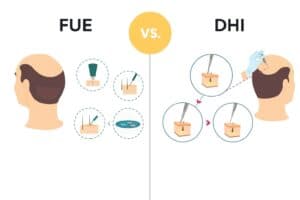
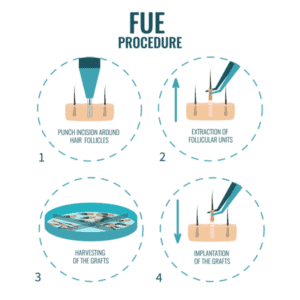 The FUE hair transplant is the most modern and minimally invasive method. During FUE, individual hair follicles are extracted one by one and implanted into the balding area. The procedure is split into three sections: extraction, incisions, and implantation.
One of the biggest advantages of an FUE hair transplant is that it leaves no visible linear scar. Because each graft is extracted individually using a micro-punch tool, the scarring is limited to tiny, dot-like marks that fade over time and are barely noticeable. This makes FUE especially appealing to men who want the freedom to keep their hair short without worrying about visible surgical marks.
When performed by a skilled surgeon, FUE delivers incredibly natural results. Each follicle is implanted at the correct depth, angle, and density to match your existing hair pattern, ensuring a smooth, natural transition that blends seamlessly with surrounding hair. This level of precision allows for realistic hairlines and a natural density.
FUE is also a versatile technique that goes way beyond scalp restoration. It’s also widely used for beard, moustache, and eyebrow transplants, providing patients more options for restoring hair in different areas of the face or body with the same precision and natural look.
Direct Hair Implantation (DHI)
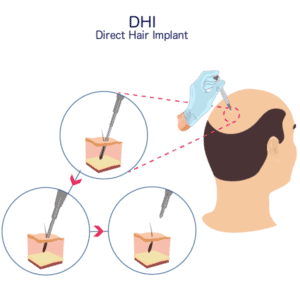 Direct Hair Implantation (DHI) is an advanced evolution of the FUE method which is designed for even greater precision and natural results. It uses a specialised CHOI implanter pen that allows the surgeon to extract and implant each follicle in one continuous process, without the need for a separate incision phase.
One of the biggest advantages of a DHI (Direct Hair Implantation) hair transplant is the precision and control it offers. Using a specialised implanter pen, the surgeon can control the angle, depth, and direction of each graft with exceptional accuracy. This allows for a more natural hairline, better density, and improved aesthetic balance . Especially, in delicate areas like the temples or frontal hairline, where precision truly matters.
Because DHI eliminates the need for pre-made incisions or channels, it’s also a less invasive procedure that causes minimal trauma to the scalp. The follicles are extracted and implanted in a single, continuous process, which reduces handling and speeds up the operation. This streamlined approach not only minimises tissue damage but also shortens recovery time, allowing most patients to heal faster with less swelling or irritation.
DHI is particularly well-suited for refining smaller areas, such as adjusting the hairline, filling in temples, or restoring density around the crown. It’s an ideal choice for men who want precise, high-quality results and are willing to invest in one of the most advanced techniques available today.
Follicular Unit Transplantation (FUT)
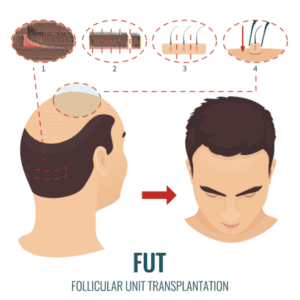 Commonly known as “strip surgery”, Follicular Unit Transplantation (FUT) is one of the longest-standing and most clinically proven hair transplant techniques. While slightly more invasive than FUE, it remains a highly effective and efficient option for men needing a large number of grafts in a single session.
One of the main advantages of a FUT (Follicular Unit Transplantation) hair transplant is its ability to harvest a large number of grafts in a single session. Because the surgeon removes a small strip of scalp from the donor area, they can extract and prepare thousands of follicles at once under a microscope. This makes FUT especially effective for men with advanced hair loss who need extensive coverage in one procedure.
FUT also offers high graft survival rates, as the strip method allows technicians to handle follicles under magnification in a controlled environment. This minimises damage during preparation and ensures that each follicle remains healthy and viable for transplantation. As a result, FUT often delivers excellent long-term density and natural results when performed by an experienced surgeon.
How Much Does a Hair Transplant Cost in the UK?
One of the key factors determining whether a hair transplant is worth the price tag is, obviously, the cost. In the UK, a hair transplant procedure can cost anywhere between £3,000 and £15,000+, depending on the size, severity, and complexity of the case.
However, price alone doesn’t tell the full story. The type of clinic you choose plays a massive role in both the quality of your results and the long-term value you get from your investment. Broadly speaking, there are two types of clinics in the UK hair transplant industry: technician-led and surgeon-led. Understanding the difference is crucial before you decide where to go.
Technician-led clinics are able to provide hair transplants at much lower prices than surgeon-led clinics. At first glance, their deals (e.g. “max grafts for £1,999) may seem appealing… This is because they often have one surgeon overseeing up to five surgeries at once, leaving technicians to do the bulk of the work (extractions and incisions).
Comparatively, a surgeon-led clinic takes a completely different approach. Here, your hair transplant surgeon performs the key stages of the procedure personally (extraction, incisions, and implantation. This ensures meticulous control, consistent quality, and outcomes tailored specifically to your scalp, hair type, and aesthetic goals.
A surgeon-led approach isn’t just about peace of mind. It’s about maximising the survival rate of your grafts and achieving a result that looks completely natural, even under close inspection. It may cost more upfront, but it significantly reduces the risk of complications, revision surgeries, or long-term disappointment.
So, if you’re wondering whether a surgeon-led procedure is really worth the cost, ask yourself the following question: “who do you want performing your procedure”?
Is a Hair Transplant Worth It? Answering the Key Question
Whether a hair transplant is worth it depends on more than just the before-and-after photos. You may want to consider the following factors before paying your hair transplant deposit:
- Your Age and Hair Loss – if you’re under 25 or your hair loss is still progressing, you may need multiple procedures later on. It’s usually better to stabilise your loss with medical treatments (like topical finasteride or oral minoxidil) before surgery. If you’re over 25, then a hair transplant seems like a wise investment.
- Donor Area Quality – if your donor area (back and sides) is weak or sparse, you may not have enough viable follicles for a successful transplant. A good surgeon will assess this during consultation. A strong donor area is able to support most FUE hair transplant surgeries.
- Expectations – if a clinic is offering you a realistic expectation and result you’re happy with, then you’re less likely to regret having surgery. However, if you have extensive hair loss and expect to regain a full teenage hairline or never need treatment again, you’ll likely be disappointed.
- Your Surgeon’s Skill – a technically sound, artistically designed hairline is only achievable in the hands of a qualified, experienced surgeon. So do plenty of research on every clinic you’re in contact with.
The Positives of Getting a Hair Transplant Surgery
When done right, a hair transplant can be genuinely life-changing. The results go far beyond cosmetic improvement. A well-performed hair transplant can restore your confidence, identity, and sense of normality.
For many men, it’s the only permanent solution that truly addresses hair loss rather than hiding it. Some of the main reasons men decide to take the plunge include:
- Permanent and natural hair growth – transplanted follicles are typically resistant to DHT — the hormone that causes male pattern baldness. Once they’ve taken root, they continue to grow just like your natural hair, shedding and regenerating as normal.
- A major boost in confidence – regaining a full hairline can dramatically improve how you see yourself and how others see you. It’s not just about appearance. It’s about feeling more self-assured in any social, romantic, or professional setting life throws your way.
- Long-term cost-effectiveness – while a hair transplant isn’t cheap, it can actually save money in the long run compared to years of buying medications, supplements, or hairpieces that need constant replacement.
For many of the men we speak to, these benefits make a hair transplant feel like an investment rather than an expense. However, that doesn’t mean it’s the right decision for everyone.
The Negatives of Getting a Hair Transplant Surgery
There are also important drawbacks to consider. The kind that often get overlooked in flashy clinic marketing. So, definitely factor these things in to your final decision:
- The high upfront cost – even though prices vary, a proper hair transplant in the UK typically costs between £3,000 and £15,000+, depending on how advanced your hair loss is and which technique you choose.
- Not everyone is a good candidate – if your donor area (the back and sides of your scalp) doesn’t have enough healthy follicles, or if your hair loss is still rapidly progressing, you might not achieve the coverage you want or risk further loss later on.
- It’s not an instant fix – the newly transplanted hairs usually shed within a few weeks before starting to regrow. You may not see the final result until 9–12 months after surgery, so patience is key.
- Surgical risks and variability in quality – infection, poor graft placement, or visible scarring are all possible if the procedure isn’t done by an experienced surgeon. Especially, in a “hair mill” or broker clinic. The skill and technique of your surgical team often determines whether your result looks natural or obvious.
- Ongoing hair loss may continue – transplanted hairs are permanent, but your existing ones are not. Many patients still need to use medications like finasteride or minoxidil to prevent further thinning around the transplanted areas.
Is a Hair Transplant Permanent: Long-Term Results
If you’re wanting to understand what you’re getting for quite a significant financial outlay, let us explain. A hair transplant is a long-term investment that will leave you looking better for a lifetime.
The transplanted follicles are genetically resistant to DHT, meaning they’ll continue growing for life.
However, surrounding non-transplanted hairs can still miniaturise over time, creating new thin areas if not managed properly. So, a respectable clinic are likely to offer hair loss medications to prevent further hair loss from occurring.
Conclusion
Deciding whether a hair transplant is worth it ultimately comes down to your individual circumstances, your stage of hair loss, your expectations, and the quality of the clinic you choose. For many men in the UK, a well-performed, surgeon-led transplant offers not just permanent hair restoration, but a genuine boost in confidence and self-image.
If you’re considering a procedure, take the time to research clinics carefully, avoid technician-led “hair mills,” and only trust a GMC-registered surgeon to perform the surgery. When done right, your results will look so natural that even your barber won’t notice the difference. So, why not book in a free consultation and start your hair restoration journey today?