




Are you worried about hereditary hair loss (androgenic alopecia)? Male pattern baldness is a major cause for concern for men between 25-40, looking at UK hair loss statistics and fact. Current research shows male pattern hair loss is likely caused by a baldness gene (AR-gene). Find out how you can prevent genetic hair loss in this article!
Overview
- Hereditary hair loss is one of the leading causes of hair loss in men and women. The medical name given to hereditary hair loss is “androgenic alopecia”. Colloquially, the condition is called male-pattern baldness or female-pattern baldness.
- Current scientific research suggests that the “androgen receptor” (AR) gene causes pattern hair loss. This gene is found in the X chromosome, meaning it can be passed on by a person’s mother or father.
- There are several treatment options if you are suffering from male pattern baldness. Options range from topical treatments (minoxidil) to hair transplants (FUE, DHI, or FUT).
The Baldness Gene: An Introduction to Hereditary Hair Loss
 Hair loss is one of the most prevalent health problems affecting men and women! It is estimated that around 6.5 million men and 8 million women are experiencing hair loss in the UK today. From receding hairlines and crown thinning to bald spots on the beard, we’ll likely lose hair at some point in our lives…
While hair loss is also caused by hormonal and environmental factors, the most common type of hair loss is genetically motivated. The name we give to genetic hair loss (androgenetic alopecia) is male pattern baldness (in men) and female pattern baldness (in women).
Genetic hair loss is believed to be caused (and affected) by several genes. These are the AR, 20p11, FOXC1, and LSS genes. However, the “AR” (androgen receptor) gene performs the most important role in hair loss, earning itself the title “baldness gene”.
The AR gene provides instructions for androgen receptors in the body. Genetic variation in the AR gene can make androgen receptors more sensitive to androgens (like DHT), which can lead to increased activity in hair follicles. This increased activity can cause hair follicles to shrink and shorten their life cycle, resulting in hair loss.
While DHT might, perhaps, be labelled as one of the key culprits in pattern baldness, this form of hair loss would not occur without a genetic predisposition to androgen sensitivity. So, the human androgen receptor gene makes our hair follicles more sensitive to male sex hormones which, in turn, can cause hair loss.
What Genes Are Involved in Hair Growth and Hair Loss?
While the AR gene is believed to be one of the leading causes of genetic hair loss, it is important to consider the role of secondary genes that also perform important roles in the hair growth cycle. These include, but are not limited to:
- The 20p11 gene – involved in the production of prostaglandin D2 (PGD2), which can inhibit hair growth. A 2008 study found a sevenfold increase in male pattern baldness when a person had both the 20p11 and AR genes [1].
- The FOXC1 gene – this gene is believed to be involved in the regulation of hair follicle development. hair follicle stem cells exposed to the FOXC1 gene have been shown to become inactive and dormant [2].
- The LSS gene – the LLS is involved in the production of lanosterol, which promotes hair growth. In one study, an LSS gene mutation caused hypotrichosis in two Tibetan twins [3].
How Do I Know if I Have the Baldness Gene?
 If you think you may be suffering from hereditary patterned baldness, then the condition is usually easy to spot. While genetic hair loss testing is available, it can be very expensive. Not only this, but pattern baldness is very easy to spot and diagnose for any hair loss specialist.
If you have the baldness gene and are experiencing hair loss, then the progression of your condition will occur in a patterned and predictable way. Pattern hair loss is trackable using the Hamilton-Norwood Scale (for men) and the Ludwig Scale (for women).
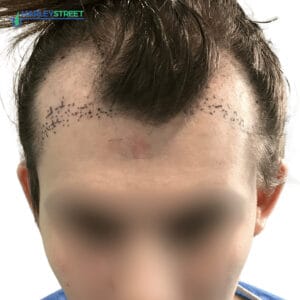
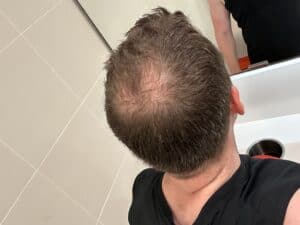
Men with hereditary hair loss will first experience a receding hairline. Hair loss will then progress to the crown. In more severe cases, a man can become totally bald. Women with this condition will usually experience thinning hair along the mid-parting line.
What Can I Do to Prevent Hair Loss if I Have the Baldness Gene?
There are several options available to a person with male or female pattern hair loss. If you are beginning to lose hair (or experience hair thinning) it is important to act fast. First, you will need to confirm what type of hair loss condition you have. Then, you will need to act accordingly and choose an appropriate treatment for your biological sex, age, hair loss severity, and medical background.
One of the easiest ways to diagnose your hair loss is to book a free consultation with a hair transplant clinic. Here, you will be able to talk to a consultant trichologist or hair transplant surgeon, who can confirm hereditary hair loss and rule out other conditions (like alopecia areata, scarring alopecia, cicatricial alopecia, or hair-pulling disorder).
After this, you must decide which hair loss treatment options are right for you. Here are the most common treatment options available to hereditary hair loss patients.
Minoxidil for Hair Loss
Minoxidil is a fantastic treatment that is suitable for men and women experiencing initial signs of androgenetic alopecia. Minoxidil is a topical foam applied to the scalp to stimulate hair growth. The foam acts as a vasodilator, increasing scalp blood flow and ensuring your hair follicles receive enough nutrients and oxygen.
This medication has been proven effective when treating early cases of genetic hair loss. It is safe for men and women to use, and can be bought over the counter at your local supermarket or health store. For early-onset androgenetic alopecia cases, minoxidil is a fantastic preliminary hair loss treatment.
Finasteride for Hair Loss
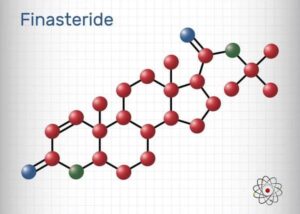 If you are showing early signs of a receding hairline or crown thinning and think you have pattern hair loss, then DHT-blocking medications (finasteride, dutasteride, etc.) are a safe and effective option for men to consider.
Finasteride works by preventing the production of the DHT hormone and lowering the number of androgen receptors the molecule can bind to. Essentially, finasteride helps to offset the increased risk of genetically predisposed hair loss by lowering the bodily effects of DHT and protecting vulnerable hair follicles.
This medication is available on prescription in the UK and US and is safe for men. Finasteride is not recommended for pre-menopausal women due to concerns about the development of foetal defects during pregnancy.
Hair Transplant Surgery
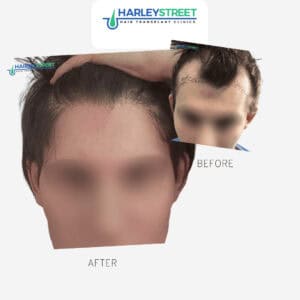 If your genetic hair loss has been occurring for a prolonged period, then you can consider hair transplant surgery. While medications like minoxidil and finasteride are fantastic at slowing hair loss symptoms, the only way to reverse and restore your hairline to its original state is through surgery.
In short, a hair transplant procedure looks to take hair from an area of high density (donor area) and implant it into an area of low density (recipient area). A hair transplant can be used to treat male pattern baldness and female pattern baldness.
Once a person has treated their hereditary hair loss through surgery, medication such as finasteride is usually prescribed so the patient can preserve their surgical result and prevent further hair loss.
Conclusion
The supposed “baldness gene” refers to the AR gene that predisposes a person to a permanent hair loss condition called pattern hair loss (androgenetic alopecia). While this type of hair loss is predominantly caused by the AR gene, it is important to remember that hair loss is polygenic (multiple genes are responsible) and motivated by hormonal changes and environmental factors.
If you think you have pattern baldness, then there are several options to help treat hair loss. These include topical foams and medications, as well as hair transplants.