





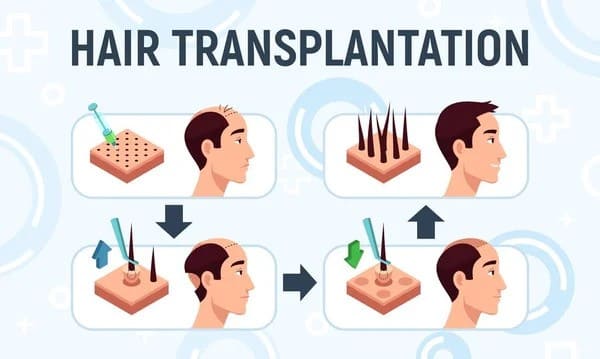
A sapphire FUE hair transplant is one of the most advanced, precise, and minimally invasive hair restoration techniques available today. Whether you’re experiencing a receding hairline, thinning crown, diffuse hair loss, or desire to restore density in specific areas, a Sapphire FUE hair transplant offers exceptional accuracy and natural-looking growth. In this article, we’ll explain how the procedure works, its benefits, ideal candidates, results timeline, recovery expectations, pricing, and what sets this technique apart in the world of hair restoration.
Key Points
- Advanced Precision and Natural Results – the Sapphire FUE hair transplant uses ultra-sharp sapphire blades to create fine, V-shaped incisions that allow for higher graft density, faster healing, and a seamless, natural hairline.
- Minimally Invasive with Quick Recovery – compared to traditional FUE, the sapphire technique causes less tissue trauma, resulting in minimal scarring, reduced swelling, and an initial recovery period of just 10–14 days.
- Versatile and Long-Lasting Solution – suitable for both men and women, the procedure effectively treats hairline recession, crown thinning, and facial hair restoration, delivering permanent, DHT-resistant results that last a lifetime.
What is a Sapphire FUE Hair Transplant?
If you’re experiencing symptoms of male pattern baldness, for instance a receding hairline or thinning crown, then you will probably have done some research into hair transplants. Several methods of hair transplant are available, including: FUE, DHI, and FUT. You may also have seen something called “Sapphire FUE”.
A Sapphire FUE hair transplant is a refined version of Follicular Unit Extraction (FUE) that uses ultra-sharp, medical-grade sapphire blades instead of traditional steel instruments to open micro-channels in the recipient area. These sapphire blades create smaller, cleaner, and more precise incisions, allowing for higher graft density and more natural angles of new hair growth.
As sapphire hair transplantation allows for a much denser (tightly packed) implantation sites, it is ideal for hairline hair transplant, particularly for younger patients aged 25-35. As more patients seek refined, scar-free, and long-lasting hair restoration outcomes, the Sapphire FUE method has become the gold standard for modern hair transplantation.
What Are Sapphire Blades?
 Simply put, a sapphire blade is a surgical blade made from a sapphire crystal. The edge made to make incisions is cut into a small v shape. Sapphire blades a fully sterilisable. They also come in a whole host of widths, from 0.15-1.2mm.
The precise, arrow-shaped tip of sapphire blades allow the hair transplant surgeon to create fine, clean cuts with minimal tissue damage. This type of blade can make incisions at acute angles, making them perfect for eyebrow, beard, and hairline surgeries.
What Can a Sapphire FUE Hair Transplant Be Used to Treat?
Sapphire FUE can be used to treat several hair loss conditions. These include, but are not limited to:
- Male Pattern Baldness – male pattern baldness (androgenic alopecia) is the most common hair loss condition in men. It primarily affects the hairline and crown area. Sapphire FUE can be used to combat this.
- Female Pattern Baldness – female pattern baldness usually affects women over the age of 45, post-menopause. While not all female patients are going to be eligible (eligibility depends on the extent of thinning and quality of donor hair), sapphire FUE can be used.
- Beards and Eyebrows – as sapphire blades produce tiny incisions, they are ideal for beard transplants and eyebrow transplanted. Smoother incisions means less trauma to the skin and a quicker initial recovery period.
- Scar Repair – in cases where a patient has scarring, sapphire FUE can be used to densely pack hair follicles onto the scar site, helping conceal any sign of scarring.
There are some circumstances in which the sapphire hair transplant method will outperform conventional FUE in terms of final result and recovery time. These are:
- Hairline Hair Transplants – ultra sharp sapphire blades tend to make smaller incisions than steel blades. This helps achieve a denser result, especially for hairline hair transplants.
- Patients Under 40 – younger patients generally require a denser looking final result as their natural hair tends to be thicker than older men. The sapphire FUE technique makes it easier to achieves this.
- Feminisation (MTF) Transgender Cases – the sapphire FUE technique is perfect for transgender women looking to feminise their hairlines.
How Does a Sapphire FUE Hair Transplant Work?
The process for a sapphire FUE hair transplant is very similar to standard FUE. Before the procedure, the patient will have a pre-surgery consultation and decide on their hairline design. From there, anaesthetic and saline will be administered to the patient’s scalp, in preparation for the surgery.
From here, sapphire hair transplant surgery is split into three phases:
- Extraction Phase – during this phase, your hair transplant surgeon will use a micro-punch tool to extract individual hair follicles from the patient’s donor area. While the surgeon does this, hair technicians will count the number of extracted grafts and categorise donor hair follicles into “singles”, “doubles”, and “triples”.
- Incision Phase – once the extraction phase is complete, the surgeon will then begin the incision phase, during which the surgeon will use sapphire blades to create tiny slits in the recipient area. sapphire blades are ideal for hairlines as they make very small holes, enabling a denser result.
- Implantation Phase – after extraction and incisions, all that remains is for the extracted donor hair follicles to be carefully implanted into the incision slits made by the surgeon. This part of the process is done by the entire surgical team.
The benefit of sapphire FUE is that the method is minimally invasive. Like conventional FUE and DHI, sapphire FUE sees hair follicles extracted individually, leaving minimal scarring on the donor area. This provides patients with natural looking results and no obvious indication on the donor area that they have had a hair transplant.
Sapphire FUE vs Direct Hair Implantation (DHI): Which Method is Better?
Sapphire FUE and DHI are often compared because both produce smaller incisions and faster healing than traditional FUE. The detailed comparison is on our FUE vs DHI page.
Sapphire FUE Technique and the Initial Recovery Period
One of the major benefits of the Sapphire FUE hair transplant is its fast and comfortable recovery. Because the sapphire blades create smaller incisions and cause less trauma to the skin, the scalp heals rapidly compared with older techniques.
Days 1-3
During the first three days, it’s common to experience mild redness, swelling, or a slight feeling of tightness in the treated areas. Tiny scabs begin to form around each implanted follicle. This is a normal part of the healing process.
Patients are advised to sleep with their head slightly elevated to reduce swelling and to avoid touching or scratching the recipient area to prevent dislodging grafts. We’ll provide you with a travel pillow to help keep your head elevated.
Days 4-7
Between days four and seven, swelling typically subsides and the small scabs begin to flake off naturally as the scalp continues to heal. At this stage, any mild discomfort can usually be managed with over-the-counter pain relief or medications prescribed by your surgeon.
Most people feel confident enough to return to office work or non-strenuous activities by the end of the first week. However, it’s important not to rush your recovery after a sapphire hair transplant.
Days 8-14
From days eight to fourteen, the donor area usually looks completely healed, and redness across the scalp gradually fades. The newly transplanted area also starts to regain a more natural appearance as the tiny incisions close and the scabs disappear.
Patients can typically begin gently washing their hair following the clinic’s aftercare instructions, taking care not to disturb the new grafts. You’re able to contact wash and start removing scabs from your transplant site.
After the Initial Recovery Period
By the end of the second week, most visible signs of surgery are minimal. The scalp feels comfortable, and both donor and recipient areas look normal. With proper aftercare, the healing process continues smoothly, allowing the transplanted follicles to settle securely and begin their natural growth cycle in the months ahead.
How Much Does a Sapphire FUE Hair Transplant Cost?
Sapphire FUE pricing at Harley Street Hair Transplant Clinics is the same as standard FUE, which is from £3,000 depending on the case size and graft count. This is because the only difference is the type of blade used to create the incisions. For full pricing across all techniques, including FUT and DHI, is on our hair transplant cost page.
How Long Do Sapphire FUE Results Last?
As is the case with any form of hair transplant, the result of sapphire FUE is permanent. The transplanted follicles come from DHT-resistant donor zones, meaning they retain their genetic resistance to balding even after they’re moved.
However, non-transplanted areas may continue thinning, so ongoing hair maintenance treatments (such as finasteride or minoxidil) may be recommended. Especially, if patients are under the age of 45. This helps to preserve existing hair behind the transplant site.
Conclusion
The Sapphire FUE hair transplant combines cutting-edge technology with refined surgical artistry to deliver natural, dense, and long-lasting results. Its precision-made sapphire blades allow for cleaner incisions and faster recovery, giving patients a more comfortable experience and virtually undetectable scarring.
Whether you’re addressing male or female pattern baldness, restoring density to your hairline, or enhancing your beard or eyebrows, the Sapphire FUE method offers a minimally invasive and permanent solution. When performed by an experienced, GMC-registered surgeon in a reputable clinic, it provides one of the most reliable and natural outcomes available in cosmetic hair restoration today.
If you’re ready to take the next step toward permanent hair restoration, book a free consultation with us to discover how a Sapphire FUE hair transplant can help you regain confidence and achieve natural, lasting results.