




How to Reduce Swelling After Hair Transplant
Swelling after hair transplant surgery is a natural part of the healing process. On this page, you’ll find everything you need to know about hair transplant swelling: how it is caused, how long it lasts, and how to reduce swelling.
Key Points
- Swelling after hair transplant surgery is a normal part of the healing process. It typically peaks around 3-4 days post-surgery and resolves by day 7-10.
- The causes of hair transplant swelling include surgical trauma, fluid infiltration, and the body’s natural inflammatory response, with gravity and sleep posture also playing a role.
- Swelling can be reduced by sleeping with your head elevated, applying cold compresses to the forehead, and staying well-hydrated to support fluid drainage.
What is Hair Transplant Swelling?
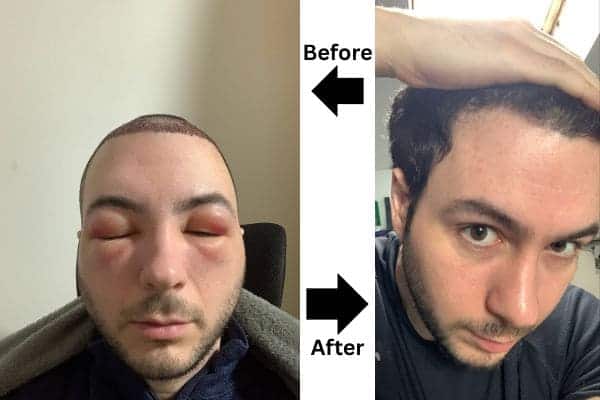
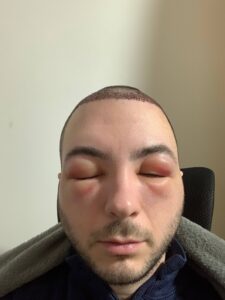 Hair transplant swelling, also known as post-operative oedema, refers to puffiness or swelling that occurs in the forehead, eyes, and sometimes around the nose after a hair transplant. It’s a completely normal part of the hair transplant recovery process.
Swelling is typically a result of fluid retention and inflammation caused by the surgery itself. During a hair transplant surgery, fluids such as saline and local anaesthetic are both used and do need time to be processed by the body.
Swelling after a hair transplant will usually peak around 3-4 days post-surgery. Swelling should gradually subside after 7 days. If your swelling persists beyond 7-10 days, make sure to get in touch with your patient advisor or hair transplant surgeon for advice.
Hair transplant swelling is more common in FUE hair transplant surgery and FUT (Follicular Unit Transplantation) hair transplants. However, swelling can also occur after a DHI (Direct Hair Implantation) hair transplant as well.
What Causes Swelling After Hair Transplant Surgery?
There are several causes of post-operative oedema after a hair transplant. The most common causes of swelling can be explained by the procedure itself. Namely, trauma induced by the procedure and the fluid drainage process after surgery.
Common causes of hair transplant swelling include:
- Trauma From the Surgical Procedure – this refers to inflammation and swelling that have been caused by the incisions during an FUE/FUT surgery.
- Fluid Infiltration (Saline/Tumescent Solution) – this refers to excess swelling caused by solutions that are injected into the scalp during the hair transplant
- Inflammatory Response – although less common, the body’s immune response to local anaesthesia and saline solution can cause a small reaction.
- Sleeping Position and Gravity – a common part of the aftercare process is keeping your head upright after surgery. If a patient does not do this, excess swelling can occur on the scalp.
Hair Transplant Swelling from Surgical Trauma
 The most common cause of swelling after a hair transplant surgery is unavoidable and will affect every patient. This is from surgical trauma caused by the surgery itself. But why is this?
Hair transplantation involves creating hundreds or even thousands of tiny incisions in the scalp to remove donor grafts (in FUE). These incisions, though small, cause microtrauma to the scalp tissue. As with any surgical injury, the body reacts with inflammation—a natural healing response.
Blood vessels dilate, and white blood cells rush to the site, releasing chemicals like histamines and cytokines that increase blood flow and permeability. Naturally, this causes swelling.
Hair Transplant Swelling From Fluid Infiltration
To perform the transplant safely and effectively, all hair transplant surgeons inject a tumescent solution (consisting of saline, epinephrine, and local anaesthetic) into the scalp. This serves several purposes: it creates space between skin layers for graft insertion, reduces bleeding by constricted blood vessels, and protects grafts and scalp tissue.
Of course, all of this fluid cannot stay in your scalp forever. After surgery, gravity causes the fluid to migrate downward, particularly to the forehead, eyes, and eyelids. But more on that shortly!
Hair Transplant Swelling From The Body’s Healing Response
Surgical trauma triggers the body’s inflammatory cascade. This is your body’s built-in defence mechanism! Inflammation increases blood flow and causes capillaries to become more permeable, allowing immune cells and proteins to enter the tissue.
While this process is essential for healing, it will also localise swelling, cause warmth and puffiness in affected areas, and make your skin feel quite sore and tight. However, this should subside pretty quickly after surgery!
How Long Does Swelling Last After a Hair Transplant?
Most hair transplant patients will have a similar experience when it comes to swelling after a surgery. There are three key stages of post hair transplant swelling:
- Days 1-2 – Minimal Swelling
- Days 3-4 – Peak Swelling
- Days 5-7 – Reduced Swelling
- Days 8-10 – No Swelling
Why Does Swelling Occur 2-4 Days After a Hair Transplant?
Swelling is part of the body’s natural inflammatory response to the surgical trauma caused by the hair transplant. During an FUE procedure, small incisions are made in the scalp to extract and implant follicular grafts.
To assist with the process, surgeons often inject saline or tumescent fluid under the scalp skin to create space between skin layers and reduce bleeding. This is a vital part of any hair transplant process and cannot be avoided!
After surgery, this fluid doesn’t stay in place. Instead, it gradually moves downward in the body due to gravity. It typically takes 48 to 72 hours for this fluid to migrate from the scalp to the forehead and periorbital area (around the eyes). This is why swelling is often delayed and becomes noticeable around Day 2 to Day 4.
This is also why patients are recommended to wear a head band and to keep their head elevated for the first couple of days after a hair transplant. Keeping the swelling contained on the scalp and away from the eyes makes the recovery process much more manageable for patients.
Why Does Swelling Peak Around 3-4 Days After a Hair Transplant?
 By Day 3 or 4, surgical fluid has usually accumulated in the lowest areas of the face, especially around the forehead, eyelids, and sometimes the bridge of the nose. This is also when inflammatory mediators (like histamines and cytokines) are most active as the body ramps up the healing process.
As local anaesthetic travels further down the body, it comes into contact with the body’s immune system, increasing the amount of swelling on the scalp. It is worth reiterating that this part of the initial recovery process is totally normal and nothing to worry about. It will not affect the result of your hair transplant.
Why Does Hair Transplant Swelling Subside Between Days 5-7?
As the initial recovery period progresses, all of the local anaesthetic and saline in your body will be reabsorbed by the lymphatic system. The body’s immune response will begin to stabilise and processes any retained fluid.
By this point of the initial recovery period, the patient’s body will also have started to repair skin tissue on the scalp. As such, inflammation on the recipient site and donor area will also be decreasing.
How Can I Reduce Swelling After Hair Transplant Surgery?
While it’s almost impossible to fully prevent swelling after hair transplantation, there are several measures you can take to minimise swelling. You may find many of these handy tips and tricks in the post-surgery instructions provided by your hair transplant clinic.
Sleep With Your Head Elevated
For the first couple of days after your procedure, your hair transplant surgeon is likely to advise that you sleep at a 45-degree angle using multiple pillows for the first 3–5 nights after surgery. This helps prevent fluid accumulation in the forehead and eyes.
Most clinics will provide patients with a travel pillow as part of the aftercare package. This should help keep you comfy while keeping your head elevated. If you haven’t been provided with one, or don’t own one, you can also roll up a towel to keep your neck comfy.
Apply Cold Compresses (Only to the Forehead)
 Use a cold compress on the forehead for 5–10 minutes at a time every 30 minutes or so. This reduces inflammation and discomfort. However, it’s important to keep the cold compress away from your transplanted follicles. The last thing you will want to do is dislodge the new hair follicles while they are fragile.
Stay Hydrated
Swelling after a hair transplant is largely due to fluid accumulation under the skin. Your lymphatic system is responsible for draining this excess fluid, along with cellular waste and inflammatory by-products.
Drinking plenty of water encourages fluid drainage, which helps flush out excess fluids from the body. In turn, this promotes faster healing in the days after hair transplantation surgery.
What Should I Do If I Am Experiencing Swelling After 14 Days?
While it’s fair to say that everybody will heal at slightly different rates after a hair transplant, if your swelling persists for longer than your 2 week recovery period, this this can be a sign of an underlying issue. If this occurs, the first thing you should do is contact your hair restoration clinic, book in a 2 week check up and send over some images of your progress/issue/concern.
If your swelling continues longer than 2 weeks, it can be indicative of post-surgery issues such as:
- Infection – Look for signs like redness, warmth, pus, or fever
- Allergic Reaction – Could be due to medication or topical products
- Seroma or Hematoma – Fluid or blood collection under the skin
- Lymphatic blockage – Slower drainage due to individual healing differences
Infections and allergic reactions can be serious and may affect the survival rate of newly transplanted hair follicles. So, it is always better to be proactive and contact your clinic to get some advice.
Conclusion
Swelling after a hair transplant may be uncomfortable, but it’s a normal and temporary side effect of the healing process. By understanding what causes swelling and following simple aftercare tips—like staying hydrated, using cold compresses, and keeping your head elevated—you can significantly ease discomfort and support a faster recovery.