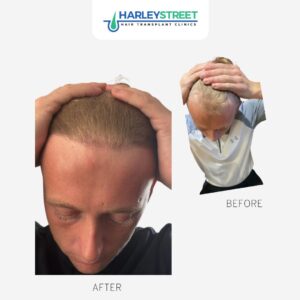





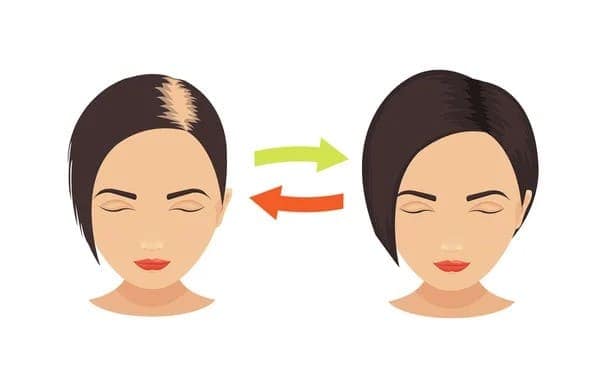
Hair loss in women is a medical condition where the scalp sheds hair at a faster rate than it grows back, resulting in visible thinning, reduced density, or bald patches across the head. Millions of women in the UK experience varying degrees of hair loss at different stages of life, from teenage years through menopause and beyond. In the United Kingdom, 8 million women and 6.5 million men suffer from hair loss, according to the research “Hair Loss: Causes, Types, and Other Facts,” by the National Council on Aging, December 17, 2025. The physical impact includes noticeable scalp exposure, widening of the hair part, and a measurable reduction in hair volume. The emotional and psychological toll runs deep beyond appearance, with studies linking female hair loss to increased rates of anxiety, depression, and diminished self-confidence.
Women with hair loss report greater emotional distress than men experiencing the same condition, highlighting the unique psychological burden women carry, according to the research “Psychological Effects of Androgenetic Alopecia on Women” by Dr. Vera H. Price, published in 1993. Understanding the root cause is the first step toward managing the condition effectively, as triggers range from hormonal shifts and nutritional deficiencies to autoimmune disorders and hereditary factors. The condition is medically recognised, treatable, and reversible when addressed early. Harley Street hair transplant clinic provides structured diagnostic and treatment pathways tailored specifically to female patients experiencing progressive hair loss.

What are the Primary Causes of Sudden Hair Loss in Women?
The primary causes of sudden hair loss in women are listed below:
- Stress and Anxiety: Acute psychological or physical stress pushes hair follicles prematurely into the shedding phase, a process called telogen effluvium. Managing stress through therapy, lifestyle adjustments, and medical guidance reduces the progression of hair loss.
- Iron Deficiency: Low iron levels impair the delivery of oxygen to hair follicle cells, weakening the hair shaft and accelerating shedding. Iron supplementation prescribed by a physician restores ferritin levels and supports follicular recovery.
- Medical Conditions: Thyroid disorders, polycystic ovary syndrome (PCOS), and autoimmune diseases directly interfere with hormonal balance and follicle health. Treatment of the underlying condition commonly reduces associated hair shedding.
- Postpartum Hair Loss: Hormonal fluctuations following childbirth cause a sharp decline in oestrogen, triggering widespread shedding about 3 to 6 months after delivery. The condition resolves in the majority of cases within 12 months postpartum.
- Weight Loss: Rapid caloric restriction deprives the body of nutrients necessary for follicle maintenance, resulting in diffuse thinning. A balanced, nutrient-dense diet restores hair growth in the majority of cases after a few weeks.
- Age and Genetics: Hereditary female pattern hair loss intensifies with age due to declining hormone levels and genetic predisposition. Early intervention with topical or medical treatments slows the progression of follicular miniaturization.
- Hormonal Changes: Menopause, contraceptive use, and hormonal imbalances alter androgen and estrogen ratios, directly affecting the growth phase of hair. Hormone-regulating treatments prescribed by a physician address follicle sensitivity to hormonal shifts.
- Medications and Supplements: Specific drugs, including anticoagulants, antidepressants, and high-dose vitamin A supplements, list hair shedding as a documented side effect. Adjusting dosage or switching medications under medical supervision reduces hair loss.
- Hairstyles and Treatments: Tight braids, extensions, and repeated chemical processing place sustained tension and thermal damage on follicles. Avoiding tension-inducing styles and allowing recovery time prevents permanent follicle damage.
- Nutritional Deficiencies: Deficiencies in biotin, zinc, vitamin D, and protein compromise the structural integrity of the hair shaft. Targeted supplementation guided by blood test results supports healthy regrowth over time.
Physiological pressure forces hair follicles to enter a dormant state. High cortisol levels impact the scalp during periods of extreme tension. Shedding begins from three to four months after a traumatic event occurs. Recovery involves managing mental health to resume normal growth patterns. Patients observe hair fall during daily grooming routines. Maintaining a balanced lifestyle reduces stress impacts on the scalp. Follicles return to the anagen phase once tension subsides. Support systems provide emotional relief during thinning phases. Consistent rest promotes physical and follicular rejuvenation. Mental wellness remains vital for maintaining hair density and preventing hair loss.
Iron deficiency occurs when the body lacks sufficient ferritin to produce hemoglobin. Low iron levels prevent hair follicles from receiving the required oxygen for cell division. Women experience thinning hair alongside brittle nails and fatigue. Treatment involves consuming red meat or taking oral supplements. Physicians recommend maintaining ferritin levels from [70-100] ng/mL for optimal growth. Restoring nutrient stores takes from three to six months. Blood tests confirm the necessity for dietary adjustments or medical supplementation. Consistent monitoring ensures the scalp remains healthy and productive. Nutrition plays a major role in preventing diffuse shedding. Restoring mineral balance stabilises hair loss.
Thyroid disorders or lupus disrupt the natural hair growth cycle. Autoimmune conditions cause the body to attack healthy hair follicles. Imbalances in thyroid hormones lead to dry and brittle hair. Medical professionals use blood panels to identify underlying health issues. Treatment plans focus on regulating hormone levels to stop shedding. Patients notice improvements once the systemic condition reaches stability. Chronic illnesses require long-term management to protect scalp health. Dermatologists work with endocrinologists to provide comprehensive care. Addressing the root cause prevents permanent follicular damage. Identifying health triggers reduces hair loss.
Postpartum hair loss describes the sudden shedding women experience after childbirth. Estrogen levels drop rapidly after delivery and trigger the telogen phase. Hair follicles enter a resting state simultaneously during the hormonal shift. Women notice excessive shedding from three to five months after giving birth. The condition remains temporary as the body recalibrates hormone levels. Growth patterns commonly return to normal within one year. Maintaining a nutrient-dense diet supports the recovery process. Scalp health stabilises as the postpartum period concludes. Patience remains necessary during the hair restoration phase. Hormonal balance stops hair loss.
Rapid weight loss leads to a caloric deficit, affecting hair production. The body prioritises vital organs over hair growth during nutrient shortages. Restrictive diets commonly lack the protein needed for strong hair shafts. Sudden drops in body mass trigger telogen effluvium in women experiencing rapid caloric restriction. Steady weight management ensures the scalp receives consistent nourishment. Consuming adequate calories supports the hair follicle growth cycle. Nutritionists recommend a balanced intake of vitamins and minerals. Hair density improves once the body reaches a stable weight. Avoiding crash diets protects the long-term health of the scalp. Dietary stability prevents hair loss.
Age and genetics rank as the leading factors in permanent thinning. Hereditary traits determine how follicles respond to androgen hormones over time. Hair strands become finer and shorter through a process called miniaturization. Women observe a widening part line as density decreases with age. Menopause commonly accelerates thinning due to decreasing estrogen levels. Treatment involves topical serums to prolong the hair growth phase. Genetic predispositions require ongoing management to maintain current hair mass. Understanding family history helps in predicting future thinning patterns. Early intervention slows down the progression of follicle shrinkage. Hereditary factors drive hair loss.
Hormonal changes during menopause or pregnancy impact follicle productivity. Decreasing oestrogen levels allow androgens to exert a greater influence. Polycystic ovary syndrome leads to excess testosterone, causing scalp thinning. Balancing hormones through medical therapy helps restore hair density. Physicians prescribe anti-androgens to block the effects of dihydrotestosterone. Stabilising the endocrine system supports a healthy hair growth cycle. Regular check-ups ensure hormone levels remain within a normal range. Lifestyle adjustments also contribute to maintaining hormonal health. Identifying chemical shifts helps in selecting the right treatment. Endocrine balance mitigates hair loss.
Medications for blood pressure or depression list shedding as a side effect. Anticoagulants disrupt the hair cycle by forcing follicles into the resting phase. High doses of Vitamin A supplements lead to hair becoming thin. Patients see regrowth after finishing a course of medication. Physicians suggest alternative prescriptions to minimise the impact on the scalp. Understanding potential side effects helps in preparing for physical changes. Medical supervision remains necessary when starting new pharmaceutical treatments. Documenting hair changes provides valuable information for healthcare providers. Drug-induced shedding commonly resolves once the trigger is removed. Pharmaceutical intake causes hair loss.
Tight hairstyles (braids or ponytails) cause physical trauma to follicles. Chronic tension leads to a condition called traction alopecia. Chemical relaxers and dyes weaken the structural integrity of the hair shaft. Avoiding high-tension styles prevents permanent scarring of the scalp. Using heat protectants reduces damage from styling tools. Gentle hair care routines maintain the strength of existing strands. Damage occurs when the hair is pulled from the root repeatedly. Signs of trauma include redness and small bumps along the hairline. Protecting the scalp ensures follicles remain healthy and productive. Mechanical strain results in hair loss.
Lack of zinc or biotin impairs the body’s ability to produce hair. Follicles require specific vitamins to maintain a healthy growth cycle. Nutritional deficiencies lead to brittle strands and diffuse shedding. Consuming a balanced diet rich in leafy greens and protein prevents shedding. Vitamin D helps create new follicles in the scalp. Deficiencies result from restrictive eating habits or malabsorption issues. Blood tests identify which nutrients require replenishment. Restoring mineral balance takes time as the body stabilises. Proper nutrition ensures hair remains thick and strong. Healthy eating habits decrease hair loss.
Can Severe Illness, Surgery, or High Fever Trigger Temporary Hair Loss in Women?
Yes, severe illness, surgery, or high fever can trigger temporary hair loss in women. Physical stress shocks the system into pausing secondary functions (hair growth). Hair follicles enter a resting phase instead of staying in the growing stage. Shedding occurs from three to four months after the medical event finishes. The condition remains temporary during the strength recovery period. New hair strands later push out old ones once the system stabilises. Medical healing allows the scalp to return to a normal rhythm. Strands appear in hairbrushes or shower drains following a high temperature. Recovery durations during regrowth range from six to nine months, depending on the person. Hair density returns to a previous state after the body heals fully.
How Common Is Hair Loss in Women?
The patterns of how common hair loss is in women are listed below.
- Age-Related Prevalence: Hair loss increases with age and affects a large portion of women over time. Thinning becomes more noticeable after midlife due to hormonal shifts and follicle changes.
- Genetic Influence: Genetic predisposition plays a major role in determining risk and pattern of hair thinning. Family history increases the likelihood of progressive hair loss across generations.
- Temporary Shedding Episodes: Short-term shedding occurs after physical or emotional stress events (illness, childbirth, rapid weight changes). The mentioned episodes resolve after the underlying trigger is addressed.
- Medical Condition Association: Health conditions contribute to diffuse or patchy hair loss in women. Thyroid disorders, anemia, and autoimmune diseases increase the risk of noticeable thinning.
- Hormonal Changes: Hormonal fluctuations during key life stages (pregnancy, menopause) influence hair density and shedding patterns. Changes in estrogen and androgen levels affect the hair growth cycle.
How does Hair Loss in Women in the UK Differ from that of Men?
The signs that differentiate hair loss in women in the UK from those in men are listed below:
- Pattern Distribution: Female hair loss presents as diffuse thinning across the crown and central scalp. Male hair loss shows a receding hairline and distinct bald spots, which create a more defined pattern.
- Hairline Preservation: Women retain the frontal hairline even during advanced thinning stages. Men lose hair along the temples and frontal region, which leads to a visible M-shaped recession.
- Thinning Progression: Female thinning advances in slow, steady increments and spreads evenly across the scalp. Male hair loss progresses in a patterned sequence that leads to localised bald areas.
- Follicle Sensitivity: Women show varied hormonal sensitivity that affects overall density. Men show a stronger androgen-driven follicle response, which leads to faster and more visible loss.
- Visual Appearance: Female hair loss reduces volume without creating complete bald areas in other cases. Male hair loss leads to clearly visible scalp exposure and defined bald regions.
What Are the Early Signs of Hair Loss in Women in the UK?
The early signs of hair loss in women in the UK are listed below.
- Widening Part Line: Visible widening of the central part indicates early thinning. Slow change differs from sudden shedding.
- Reduced Volume: Hair appears less dense across the scalp. Volume loss differs from localised patches.
- Excess Shedding: Increased hair strands appear during brushing or washing. Temporary shedding differs from chronic thinning.
- Thinner Ponytail: Reduced thickness in tied hair reflects density loss. Measurement shows a slow decline over time.
What Are the Early Signs of Hair Loss in Women in the UK?
The early signs of hair loss in women in the UK are listed below.
- Widening Part Line: Visible widening of the central part indicates early thinning. Slow change differs from sudden shedding.
- Reduced Volume: Hair appears less dense across the scalp. Volume loss differs from localised patches.
- Excess Shedding: Increased hair strands appear during brushing or washing. Temporary shedding differs from chronic thinning.
- Thinner Ponytail: Reduced thickness in tied hair reflects density loss. Measurement shows a slow decline over time.
FAQs
A dermatologist can perform tests like a scalp biopsy or trichoscopy to determine whether your hair follicles are still active.
Yes, but it must be used continuously to maintain results. Discontinuing minoxidil can lead to shedding. So just be aware that this may occur.
Start with a dermatologist, ideally one specializing in hair disorders. A trichologist may also be helpful in conjunction with medical care.
- Aleissa, M (2023). “The Efficacy and Safety of Oral Spironolactone in the Treatment of Female Pattern Hair Loss: A Systematic Review and Meta-Analysis”. Cureus. 15(8)<https://pmc.ncbi.nlm.nih.gov/articles/PMC10502763/>.
- Shannon, F (2015). “Demographics of women with female pattern hair loss and the effectiveness of spironolactone therapy”. American Academy of Dermatology. 73(4)<https://pmc.ncbi.nlm.nih.gov/articles/PMC4573453/>.
- Shmerling, R. (2024). “Treating Female Pattern Hair Loss”. Harvard Health Publishing. <https://www.health.harvard.edu/staying-healthy/treating-female-pattern-hair-loss.
- Yual, J (2024). “Effectiveness of platelet-rich plasma in treating female hair loss: A systematic review and meta-analysis of randomized controlled trials”. Skin Research and Technology. 30(8) <https://pubmed.ncbi.nlm.nih.gov/39177365/