




Here’s What Research Says
If you’re an avid gym goer, then you’ve probably heard of creatine monohydrate. Creatine supplements are a great way to pack on that lean muscle mass for that summer body. But does creatine actually cause hair loss? For years the concern rested on a single small study from 2009. The most rigorous trial to date – a 12-week randomised controlled trial published in 2025 – found no link whatsoever between creatine and hair loss. Here’s what the evidence really shows, and what’s far more likely to be behind thinning hair in the gym.
Hair Loss and Creatine: What do I Need to Know?
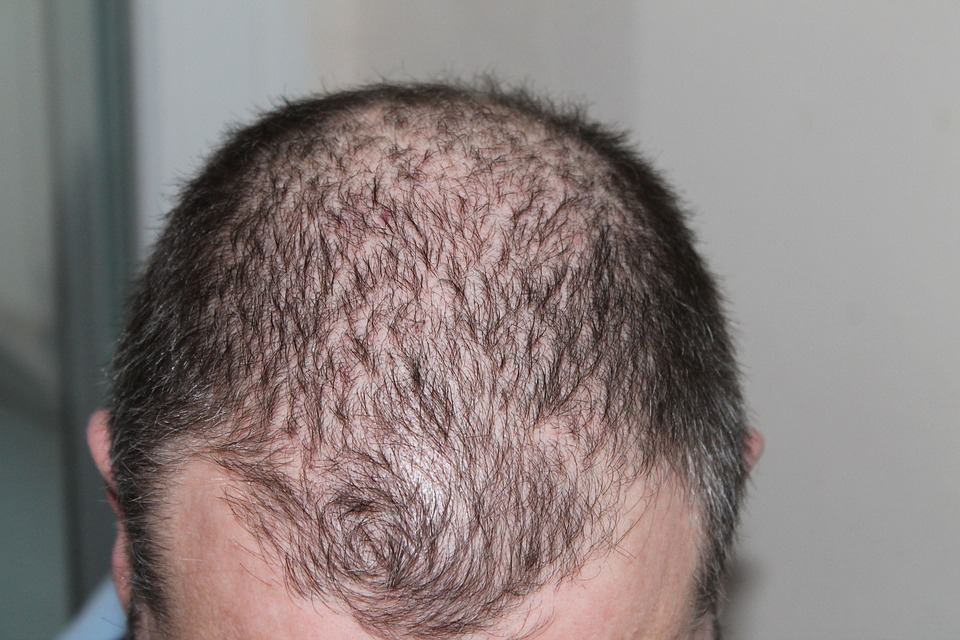
Hair loss is one of the most prevalent problems that people in the UK experience. Although hair loss is not always a life threatening condition, it can cause psychological stress and low self-esteem in many people.
Typically, we lose between 50 and 100 hair every single day without even noticing. However, when we begin to lose more hair follicles than we can replenish, this is a sign of hair loss and thinning hair.
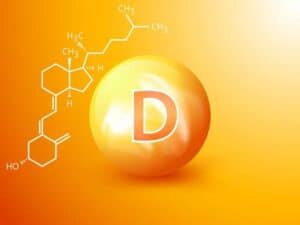
Hair loss is caused by a chemical called Dihydrotestosterone (DHT). This is produced when testosterone reacts with an enzyme in our bodies called 5-alpha reductase. But more on that later!
When we exercise, the levels of testosterone in our bodies increases. Of course, some exercises elevate our testosterone ratio more than others, specifically: body-building, powerlifting, olympic weightlifting, and cross-fit.
These sports also tend to see higher levels of athletes taking performance-enhancing substances. Some of those (anabolic steroids in particular) can genuinely accelerate hair loss. Creatine, despite its long-standing reputation, is not one of them, as the research below explains.
What is Creatine?
Creatine is one of the most popular dietary supplements on the market today. It’s widely used by athletes, from the general gym-goer to the seasoned professional. Whether you’re trying your first push/pull/legs programme or training for the next Mr. Olympia, you’ve probably heard of creatine supplementation.
Creatine is an organic compound and it’s produced naturally by your body’s muscle cells. Your body uses it during high intensity exercise, and heavy lifting.
Typically, your body produces about 1-2grams of creatine every day and this is stored in your skeletal muscles (Brosnan 2016).
You can always get creatine from your normal diet. However, it’s difficult to get the amount you need if you’re a weightlifter. This is why many people have creatine supplements.
If you use creatine supplements, then this has been scientifically proven to increase muscle mass, water retention, strength, and performance during exercise (Kreider et. al 2017).
One early study suggested creatine might raise levels of DHT, a hormone involved in pattern hair loss. As we’ll see, more recent and far more robust research has not supported that finding.
How Do People Take Creatine Supplements?
Creatine supplementation usually begins with an initial period of increased loading for the first week, before dealing this amount back during the maintenance phase.
- Creatine Loading Phase – if your body is not used to creatine, then a “loading phase” is usually used to increase the levels of creatine in your body. During creatine loading, a person will usually take between 15-20 grams for the first 5-7 days
- Creatine Maintenance Period – once your body has become used to creatine supplementation, then you should dial your dose back to 5 grams every day.
If you notice shedding after starting creatine, it’s natural to wonder whether the supplement is to blame. The current evidence says it almost certainly isn’t as controlled trials show no effect of creatine on hair. The far more likely explanation is pattern baldness (androgenetic alopecia), which often becomes noticeable around the same age many people start training seriously. There’s no need to stop creatine to protect your hair.
Possible side effects of Creatine
Creatine is one of the most thoroughly studied supplements available and has an excellent safety record. At standard maintenance doses (around 5 g a day), side effects are uncommon. When they do occur, they tend to be mild and are usually associated with high-dose “loading” rather than everyday use:
- bloating (mainly during high-dose loading)
- stomach discomfort
- dehydration
- muscle cramps
Hair loss is frequently listed among creatine’s supposed side effects, but this is a myth rather than a documented effect as the research below explains why. Reassuringly, the 2025 trial also found no changes in kidney function markers (creatinine and eGFR), addressing another long-standing concern.
If you think you may be suffering with any of the following symptoms, then it may be wise to decrease your creatine intake.
How Might a Gym-Goer’s Lifestyle Further Perpetuate Signs of Hair Loss?
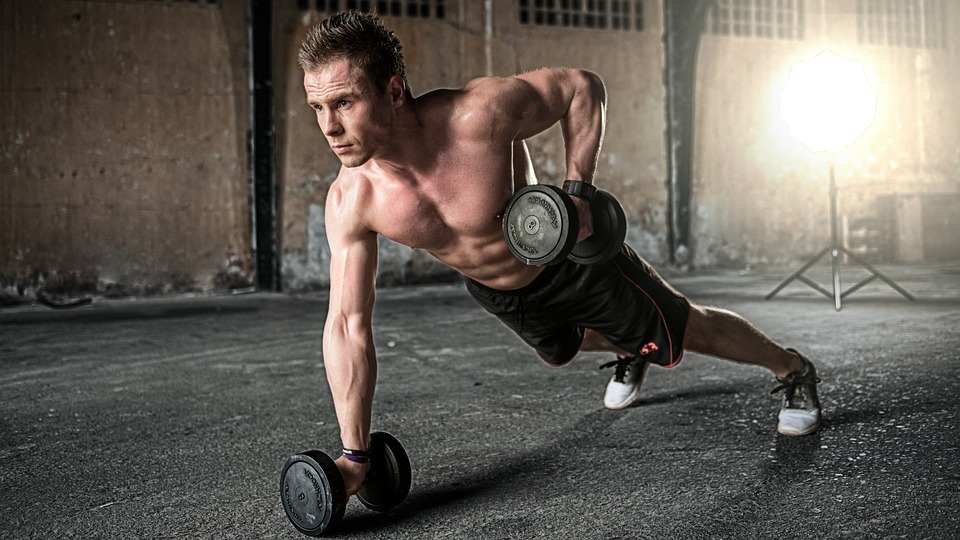
If you’re an avid gym user and suffering with hair loss, then there may well be more plausible explanations than creatine use.
Exercising regularly boosts the testosterone levels in your body, helping increase muscle mass and weight gain so your body is better prepared, biologically speaking, for future stresses.
At the same time, a higher level of testosterone can also increase your DHT levels, DHT is the main hormone responsible for hair loss. Although DHT will naturally cause hair loss whether you’re exercising or not, extreme exercise may promote hair loss at a quickened rate. But more on this later!
The most pressing aspect of gym life that can also cause hair loss is anabolic steroid use. For those who take anabolic steroids or androgens, this can unnaturally elevate testosterone levels in your body, leading to a quickened rate of hair loss.
Even if you are not genetically susceptible to hair loss, steroid use can (and usually does) cause hair follicles to fall out. What’s worse is this happens permanently.
What is dihydrotestosterone (DHT)?
Dihydrotestostosterone (DHT) is a hormone produced by testosterone with the help of an enzyme called 5-alpha reductase. Whilst DHT can help us maintain muscle mass, broaden our shoulders, and give us hair on our bodies, it can also cause hair loss.
If you’re genetically susceptible to androgenetic alopecia, DHT will able to travel around the bloodstream and bind to the androgen receptors in your hair follicles resulting in “miniaturisation” and, ultimately, permanent baldness.
Over time, DHT will cause the growth (anagen) phase of your hair follicles to cease and your resting (telogen) phase to elongate. This is a process called Telogen Effluvium.
The Relationship Between Creatine & DHT
The creatine-hair-loss idea traces back to a single 2009 study (Van Der Merwe et al.) on college rugby players. During a high-dose loading phase, their DHT-to-testosterone ratio rose, and it stayed somewhat elevated through a three-week maintenance period. Crucially, that study never measured anyone’s hair (it only measured a hormone ratio) and the DHT values stayed within the normal physiological range throughout. That single result drove years of online worry.
It has now been directly tested. A 2025 randomised, double-blind, placebo-controlled trial gave resistance-trained men 5 g of creatine a day for 12 weeks and measured both their hormones and their actual hair, using dermatologist-led trichogram and FotoFinder imaging.
The result: no difference between the creatine and placebo groups in DHT, in the DHT-to-testosterone ratio, or in any hair measure such as density, follicle count, growth-phase ratio or thickness. The authors describe it as strong evidence against the claim that creatine causes hair loss. In short, the most direct evidence we have shows creatine does not raise DHT in the way the 2009 study implied, and does not affect your hair, even if pattern baldness runs in your family.
Is Creatine Causing My Hair Loss?
Based on the best available evidence, almost certainly not. The 2025 controlled trial measured hair directly and found creatine had no effect on it. If you are losing hair, the usual cause is androgenetic alopecia (female or male pattern baldness) which is genetic, not something creatine triggers.
If you’re also using anabolic steroids, SARMs or other androgens, those are a far more probable cause and worth ruling out. So you can take creatine daily for its proven benefits to strength and muscle mass without it costing you your hair. If you are shedding, the supplement isn’t the culprit, and the section below covers what actually helps.
What If I’m Losing Hair While Taking Creatine?
Since the evidence shows creatine doesn’t cause hair loss, stopping it isn’t the answer and you’d lose the strength and muscle benefits for nothing. If you’re shedding, the more useful step is to identify what’s actually happening. Most shedding in active men and women is androgenetic alopecia (pattern baldness), which is progressive and genetic. The good news is it’s treatable, and you can keep taking creatine throughout.
If your baldness continues, then this may be a sign of male pattern baldness. In this instance, you should consult some professional medical advice to help plan your way forward.
What Treatments Actually Help With Hair Loss?
If you’re experiencing pattern hair loss, there are several proven measures you can use to slow it and regrow.
First you could always try using hair loss medication to manage your hair loss symptoms. Most of these are freely available over the counter of your local supermarket and have been clinically proven to be effective.
Common chemical treatments include:
If your hair loss is more severe, and indicative of pattern baldness (as well as creatine induced hair loss), then a FUE hair transplant is the only long term, natural looking treatment.