





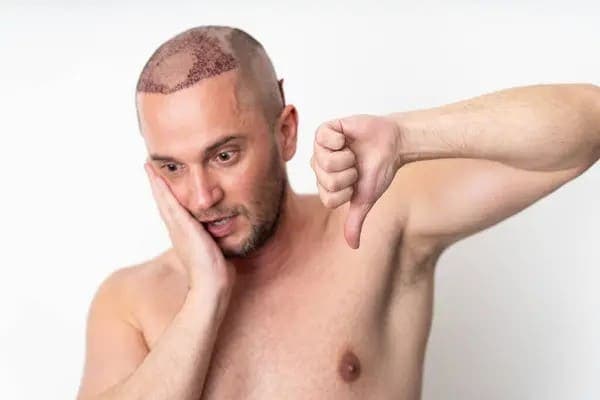
Hair transplantation is often marketed as a “permanent fix” for male pattern baldness. But here’s the uncomfortable truth most clinics gloss over: hair transplants can fail, and it happens more than you think. Below, we’ll break down the real reasons failed hair transplants occur, how to avoid these pitfalls, and what you can do if your transplant is already failing.
Key Points
- Hair transplants can fail for preventable reasons, most commonly due to inexperienced surgeons, poor graft handling, overharvesting, or patients being unsuitable candidates in the first place.
- A successful, natural-looking transplant requires expert planning, proper technique, realistic expectations, and long-term management of ongoing hair loss.
- Even if a first procedure has gone wrong, many patients can still achieve a good outcome through a carefully planned repair transplant, provided sufficient donor hair remains.
Why Do Hair Transplants Fail?
Most people assume that once the grafts are implanted, the success of the procedure is guaranteed. Unfortunately, hair transplants can fail and the reasons almost always trace back to factors that were preventable with proper planning, skill, and aftercare.
There are seven key reasons why an unsuccessful hair transplant can occur. These are:
- The procedure was performed by an inexperienced surgeon and technicians
- The patient was never eligible to have a surgery in the first place
- Improper handling of hair grafts
- Overharvesting of the donor area
- Poor hairline design
- Post operative infections (e.g. folliculitis)
- Ongoing hair loss after surgery
We’ll outline the reasons for a failed hair transplant in more detail below.
Inexperienced Surgeon and Technicians
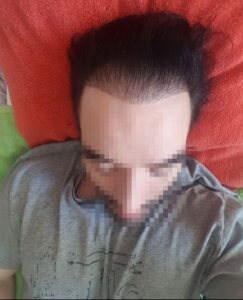 One of the most significant causes is allowing inexperienced technicians to perform critical parts of the procedure. This is especially common in high-volume “hair mill” clinics where the surgeon is barely involved.
When grafts are extracted or implanted by someone without proper surgical training, they are often crushed, mishandled, or placed at the wrong angle. The result is immediate graft death, patchy coverage, or a result that looks nothing like natural hair growth.
A hair transplant is microsurgery, and when the procedure is delegated to the wrong hands, failure is almost inevitable. That’s why opting for a clinic operating on a surgeon-led basis is critical. By paying that little bit extra for your surgery, you’re mitigating surgical risk.
Patient Ineligibility
Another major reason for failure is poor candidate selection during the enquiry and consultation process. Again, this is where a clinic doing things properly makes all the difference. A free consultation isn’t just there to provide patients with a treatment plan and quote for surgery. It’s there to help a reputable clinic ask all the right questions, determining whether every patient is eligible for surgery.
Many “hair mill” or “broker” clinics will operate on patients who should never have been approved for surgery in the first place. These include individuals with:
- Rapidly progressing hair loss
- Insufficient donor density
- Diffuse unpatterned alopecia (DUPA)
- Underlying dermatological or autoimmune issues
- Patients who are simply too young and often do not respond well to transplantation.
If hair loss has not been stabilised beforehand, even a technically flawless procedure can end up looking worse a few years later because the surrounding native hair continues to thin. So, if a couple of clinics say you’re not suitable for a hair transplant, then it is probably for good reason.
Improper Handling of Grafts During the Procedure
Improper handling of grafts is another silent but devastating factor. Follicular units are incredibly delicate. They must remain hydrated, stored at the correct temperature, handled gently, and implanted within a limited window of time.
If they dry out, overheat, or are compressed during extraction, they simply do not survive. Patients often blame themselves when growth is poor, but in reality, the problem almost always stems from how the grafts were handled during surgery.
Donor Area Overharvesting
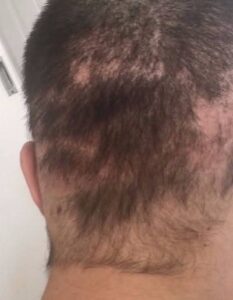 Overharvesting the donor area is a common mistake, particularly in clinics that promise unrealistic graft numbers. Removing too many follicles leaves the donor zone visibly thin, patchy, and permanently damaged.
In many cases, the transplanted hair collected from outside the “safe donor zone” later miniaturises because it wasn’t genetically resistant to DHT. When this happens, the result deteriorates over time, and the patient is left without adequate donor reserves for future repair work.
A responsible surgeon always protects the donor area with long-term strategy in mind. The last thing any hair transplant surgeon wants is a botched hair transplant.
Poor Hairline Design
Poor hairline design is another tell-tale sign of an unsuccessful transplant. When the hairline is placed too low, shaped too symmetrically, or constructed using large multi-hair grafts instead of fine singles, the result looks artificial from the moment it grows in.
Incorrect angulation makes the hair stick out unnaturally, and once that happens, the only real fix is to remove and replace the grafts, a complex and often costly process.
Post Operative Infection
Infections and poor healing can also compromise the outcome. Although genuine infections are relatively rare, they can destroy grafts rapidly when they occur. This is why is it important to follow your aftercare instructions, as they help minimise chances of folliculitis.
Patients who smoke, sweat excessively, or ignore aftercare instructions are at higher risk. Conditions like diabetes or autoimmune inflammation may further slow healing and affect graft survival. This is also true of older patients.
Not Managing Future Hair Loss
Finally, one of the most overlooked causes is simply the continuation of androgenetic hair loss. A transplant does not freeze the balding process. If a patient is not on stabilising therapy (whether finasteride, topical finasteride, minoxidil, or other medical treatments) the native hair around the transplanted area can keep thinning.
The transplant itself may grow perfectly, but the surrounding hair recedes, leaving a patchy or unnatural appearance. Without long-term maintenance, even the best transplant will eventually look like a partial fix.
Can I Have a Second Hair Transplant If the First Fails?
A repair transplant becomes worth considering when the outcome of a previous procedure has left you with an unnatural appearance, inadequate density, or visible donor damage that affects your confidence. In most cases, you should be eligible for a second hair transplant providing you have enough donor hair remaining.
Believe it or not, repair work is one of the fastest-growing areas in modern hair restoration. Skilled surgeons routinely correct problems caused by poorly executed surgeries. Especially those performed at high-volume, low-cost clinics where and long-term results and future planning were never prioritised.
You may be a good candidate for repair if:
- Your hairline looks artificial or overly structured
- Transplanted grafts grow in the wrong direction
- If noticeable gaps and patchiness make the work look obvious.
Many patients also look for a second surgery to combat overharvesting of the donor area. This is where the back and sides of the head are overharvested, leaving it thin, uneven, or scarred in a way that limits styling options. In almost all cases, a second procedure is ruled out due to the patient having insufficient donor hair.
What Does a Successful Hair Transplant Look Like?
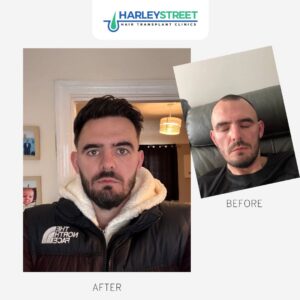 A successful hair transplant should be practically undetectable, even to trained eyes. When executed correctly, the results blend seamlessly into your existing hair, and most people will never know you’ve had a procedure.
Successful outcomes are usually based on factors, including: a natural hairline design, dense coverage of the transplant site, high graft survival rate, and no visible scarring on the donor area. Let’s look at these in a little more detail.
Natural Hairline Design
A well-created hairline mimics nature, not a ruler. A natural hairline should be positioned in such a way that it suits a patient’s age, ethnicity, and future hair loss patterns. Other factors determining success are irregular micro- and macro-zigzags, single-hair grafts in the first few rows of the hairline, and proper direction and angulation during implantation.
If your hairline looks sharp, symmetrical, or “too perfect,” it wasn’t done correctly. An unnatural hairline is a dead-giveaway of a hair transplant.
Dense Coverage
A successful transplant provides increased density on the transplant site. It doesn’t need to be so dense that achieves the thickness of your teenage years. A good result is based on no patchy or see-through areas, an even distribution of grafts, and a smooth blend between transplanted and native hair.
Good surgeons prioritise strategic density rather than simply using high graft counts. The key is that the transplanted hair follicles blend seamlessly into your existing hair.
High Graft Survival Rate
Healthy transplanted hair follicles take root during the initial recovery period and follow the hair growth cycle. Within 9-12 months, you should see a graft survival rate of between 90-98%, thickening and maturing of hair calibre, and consistent growth across treated areas.
Graft rejection is an obvious red flag when it comes to hair transplant surgery. There are several explanations why grafts fail, but it can usually be put down to poor technique when handling grafts or unskilled technicians.
No Visible Scarring
Modern FUE should leave only tiny, pepper-dot scars that are nearly impossible to detect, even with a short haircut. Minimal scarring is a key reason why many patients want a hair transplant, as the signs of surgery are almost undetectable.
Correspondingly, FUT should leave one thin, linear scar that can be hidden well within the donor area. Most patients who have had FUT, usually need to keep the back and sides around a grade 3.
Visible scarring is a sign of overharvesting, poor surgical control, or a clinic cutting corners. To help minimise any risk of over harvesting, be sure to opt for a reputable hair transplant clinic with an experienced surgeon.
Long Term Stability
The best hair transplant results hold up years later. As your donor hair remains stable and DHT-resistant, surrounding native hair (more susceptible to further thinning) needs to be protected with medication.
The design takes future recession into account, but it is the patient’s responsibility to keep on top of aftercare and ongoing maintenance. A short-term “wow” result that collapses within 2–3 years is not success, it’s mismanagement.
Conclusion
While hair transplantation is often marketed as a simple, permanent solution to hair loss, the reality is far more nuanced. A successful result depends on the surgeon’s expertise, the quality of donor hair, proper patient selection, and long-term maintenance of the underlying condition causing hair loss in the first place.
The good news is that most failures are preventable, and even in cases where the initial result has fallen short, modern repair techniques can often restore a natural appearance and rebuild confidence. The most important step is choosing a reputable, surgeon-led clinic that prioritises patient safety, ethical planning, and long-term stability rather than high-volume sales. So, why not book a free consultation today and start your hair restoration journey?